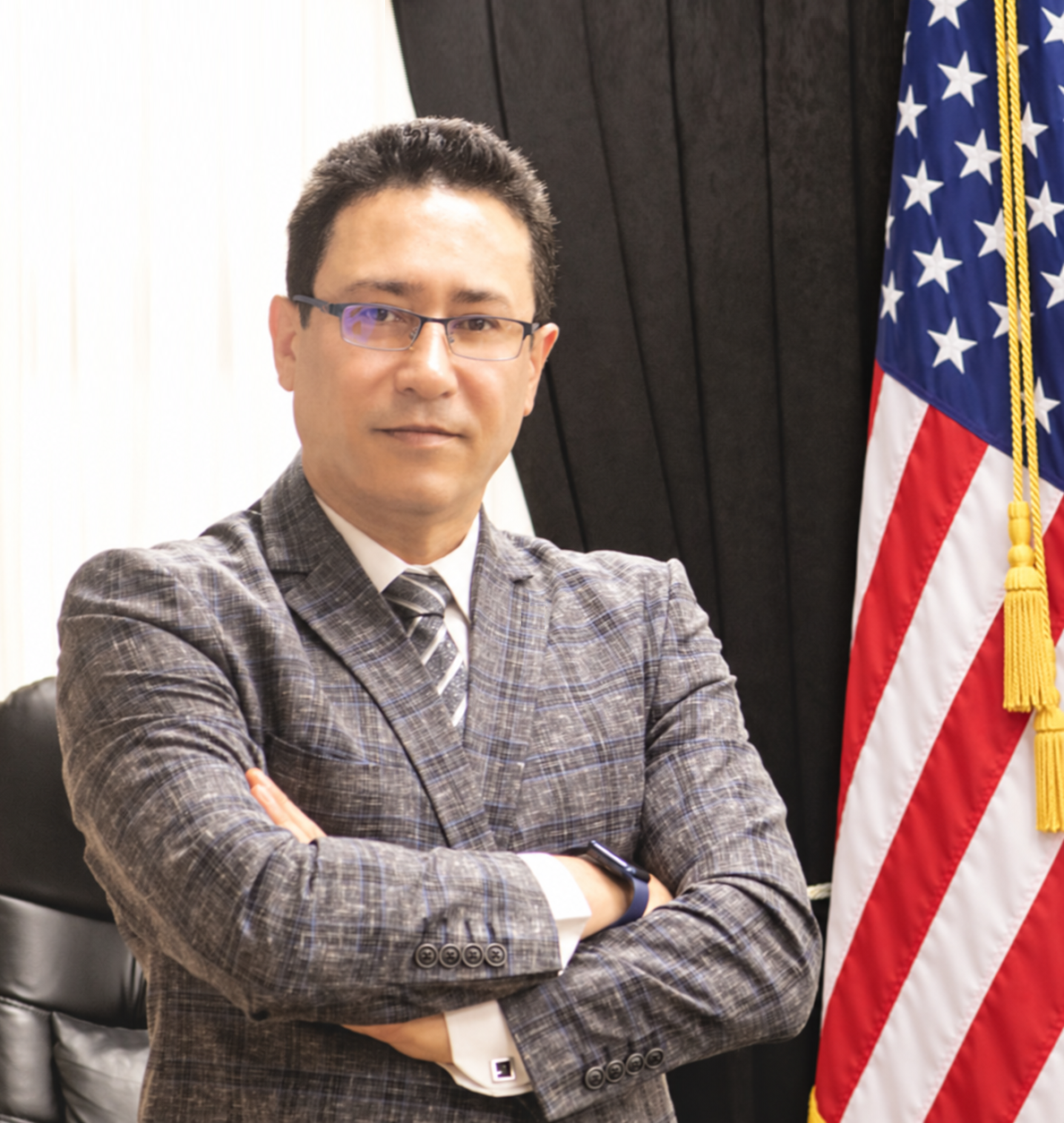
Alex Smith
North America
President & Secretary; Political and Security Analyst, Sociologist & Crisis Management Specialist

GLOBAL HUMAN RIGHTS NETWORK
Independent Research, Human Rights Documentation, Freedom, Democracy & Human Dignity
Somewhere in the world, a prisoner is counting the years behind bars for speaking the truth. A mother is searching for a son who never returned home. A journalist is threatened for exposing corruption. A woman is denied the freedom to determine her own future. A child is deprived of education and forced into a life of exploitation.
Behind every violation is a human being. Behind every statistic is a life. Behind every silenced voice is a story that deserves to be heard.
We believe that no government, institution, ideology, political authority, or individual has the right to place themselves above human dignity.
The Global Human Rights Network (GHRN) exists to challenge indifference, document injustice, defend fundamental freedoms, and bring neglected human rights concerns to the attention of the international community.
We believe that freedom must never be a privilege reserved for the powerful, justice must never depend on political influence, and human rights must never become bargaining instruments in geopolitical negotiations.
Our commitment is to humanity, truth, accountability, and the fundamental rights of every individual.
The Global Human Rights Network (GHRN) is an independent, secular, non-governmental media, research, and human rights documentation platform registered as a corporate entity in the Commonwealth of Virginia, United States.
Our work brings together independent journalism, political and security analysis, human rights research, public documentation, and civic participation to examine the relationship between power, governance, freedom, and human dignity.
We recognize that human rights violations do not occur in isolation. Political repression, institutional corruption, economic exploitation, censorship, discrimination, and the concentration of unchecked authority frequently reinforce one another.
For this reason, our analytical approach extends beyond individual incidents to examine the political, financial, institutional, and ideological structures that enable injustice.
Our platform provides space for researchers, writers, journalists, human rights defenders, witnesses, and members of the public to contribute to a broader understanding of the challenges confronting free and democratic societies.
We stand for universal human rights, democratic governance, secular principles, equal citizenship, national sovereignty, territorial integrity, and the rule of law.
Our independence means that our research and editorial principles must not be subordinated to the interests of political authorities, governments, or powerful economic actors.
We believe that the protection of human dignity requires independent thinking, credible information, and the courage to question unchecked power.

We envision a world in which every person can live free from fear, persecution, discrimination, arbitrary detention, torture, and political oppression.
A world where children belong in classrooms rather than exploitative workplaces; where women enjoy equal rights and opportunities; where journalists can investigate without intimidation; and where peaceful protesters are protected rather than punished for demanding justice.
We believe that democratic institutions must derive their legitimacy from the freely expressed will of the people.
No political authority should be permanently insulated from accountability. No individual should be denied equal protection under the law. No government should be permitted to convert national institutions into instruments of private power.
Our vision extends beyond the absence of oppression. It includes the presence of justice, public accountability, equal opportunity, social responsibility, independent institutions, and meaningful civic participation.
Freedom without justice is fragile. Democracy without accountability is incomplete. Human rights without practical protection remain promises waiting to be fulfilled.

Our mission is to advance human rights through independent research, responsible documentation, investigative analysis, public education, and international awareness.
We seek to expose patterns of abuse, examine the structures that enable repression, preserve testimonies and documented information, and strengthen public understanding of human rights and democratic principles.
Our work addresses a broad range of issues, including arbitrary detention, political imprisonment, torture, executions, enforced disappearances, discrimination, violence against women, child exploitation, restrictions on civil liberties, corruption, censorship, and the misuse of state authority.
We also examine geopolitical developments, national security challenges, political extremism, transnational networks of influence, and economic structures that affect public welfare, democratic accountability, and the protection of fundamental freedoms.
Our goal is not merely to describe injustice after it occurs, but to contribute to informed public scrutiny of the systems and decisions that allow it to continue.
We recognize the importance of international human rights institutions and legal mechanisms. At the same time, we believe that public declarations and formal condemnations must be accompanied by sustained attention, credible documentation, institutional accountability, and meaningful efforts to prevent further violations.
The value of human rights must ultimately be measured not only by what governments promise, but by what people are genuinely able to exercise and defend.
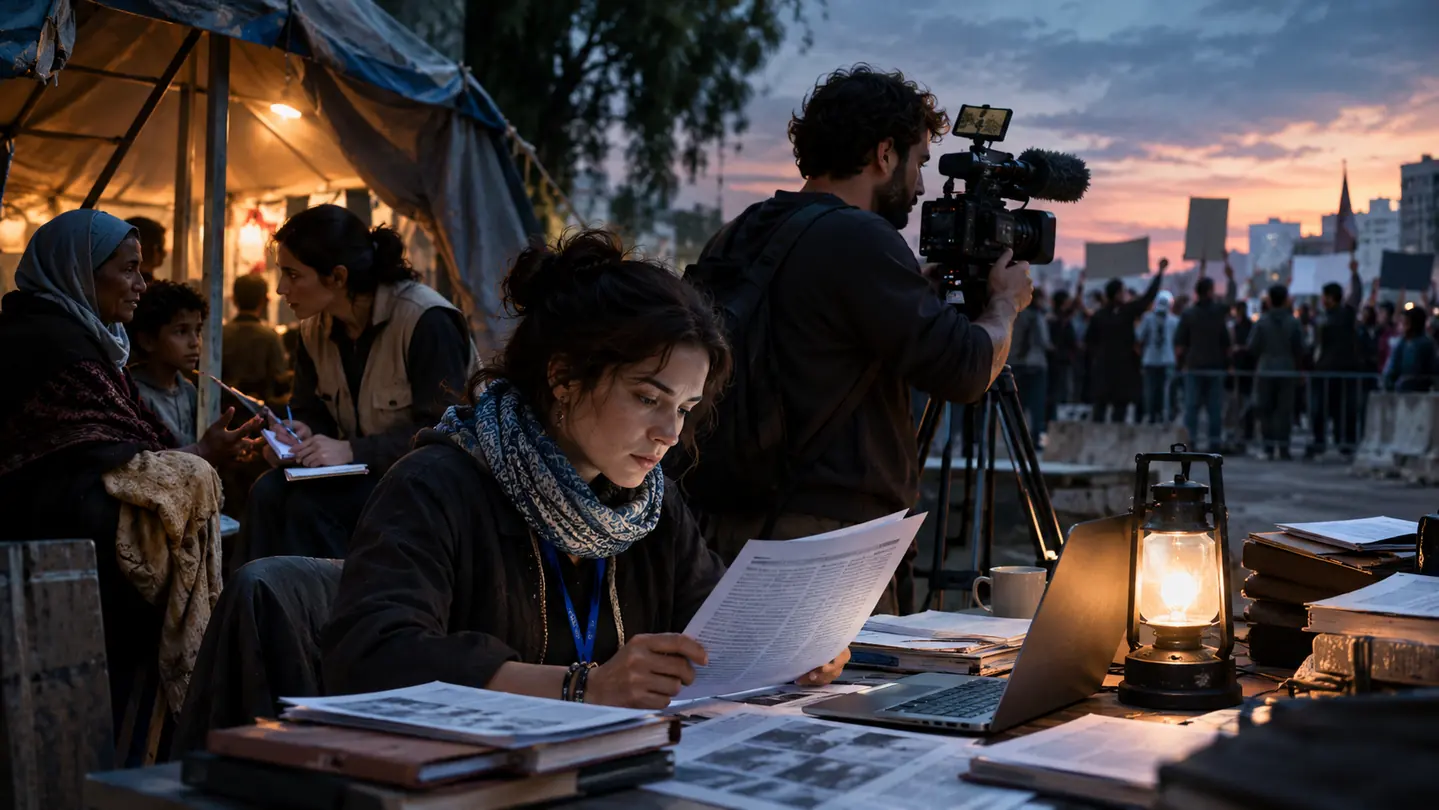
We examine reported human rights violations, document available evidence, preserve relevant public information, and publish research addressing patterns of repression and institutional abuse. Our areas of attention include the rights of prisoners, women, children, vulnerable communities, peaceful demonstrators, journalists, writers, and individuals whose fundamental freedoms have been restricted. We distinguish between allegations, documented findings, independent assessments, and verified facts as part of responsible reporting and analytical practice.
We use investigative reporting, documentary materials, editorial analysis, and digital media to increase public awareness of human rights concerns. We believe that access to reliable information is essential to democratic participation and public accountability. Where censorship and intimidation threaten freedom of expression, independent media can help preserve public awareness of events that powerful institutions would prefer to remain unseen.
Our research examines political systems, authoritarian governance, democratic transitions, national security, regional conflicts, ideological extremism, and the relationship between political authority and human rights. Through analytical projects, including Anatomy of Power, we explore how institutions operate, how influence is accumulated, how corruption networks develop, and how political and economic decisions affect societies.
We defend the principle that individuals must be able to express opinions, publish ideas, participate in peaceful assemblies, and demand social and political accountability without fear of unlawful punishment. We recognize independent journalism, civic participation, freedom of association, and peaceful protest as essential components of an open and democratic society.
We oppose discrimination, exploitation, gender-based violence, forced labor, and practices that deprive women and children of their fundamental rights. We believe every child deserves safety, education, protection, and the opportunity to develop free from coercion and abuse. We advocate equal dignity and opportunity for women, including access to education, employment, public participation, and independent decision-making.
Our network encourages contributions from independent researchers, journalists, writers, translators, volunteers, witnesses, and individuals with relevant personal or professional experience. Through our community, articles, reports, and media initiatives, we seek to create opportunities for diverse voices to participate in public discussion and responsible documentation. Every testimony deserves careful consideration.

Universality of Human Rights: Fundamental rights belong to every human being regardless of nationality, ethnicity, religion, gender, political opinion, social status, or geographical location.
Independence: Research, reporting, and editorial judgment must remain free from improper political, institutional, financial, and ideological interference.
Democracy & Popular Sovereignty: Legitimate political authority must rest upon the freely expressed will of the people, constitutional accountability, and the rule of law.
Secular Governance & Freedom of Belief: The state must respect freedom of conscience and religion while protecting equal citizenship and preventing religious authority from becoming a justification for coercion or discrimination.
National Sovereignty & Territorial Integrity: We respect the sovereignty and territorial integrity of nations while recognizing that governments remain responsible for protecting the fundamental rights of their populations.
Evidence, Accuracy & Accountability: Credible documentation, clear attribution, and responsible analytical methods are essential to public trust.
Nonviolence & Peaceful Democratic Change: We support peaceful civic participation, lawful public advocacy, and democratic methods of institutional reform and political transition.
Privacy & Responsible Information Handling: Information involving vulnerable people, witnesses, and sensitive testimony requires particular attention to confidentiality, security, consent, and the prevention of unnecessary harm.
Equal Justice: No individual, official, institution, or political authority should enjoy immunity from legitimate scrutiny or accountability for unlawful conduct.
History repeatedly demonstrates that injustice can survive public condemnation. Reports are published. Resolutions are adopted. Governments issue statements of concern. International institutions document violations. Yet prisoners may remain behind bars, families may continue searching for missing loved ones, and communities may remain exposed to systematic repression.
Documentation is indispensable, but documentation alone is not the final measure of justice. The existence of international agreements cannot substitute for their effective implementation. The language of human rights loses its moral force when the protection of victims becomes secondary to political convenience, economic relationships, or competing strategic interests.
We believe international attention must remain consistent, principled, and grounded in equal respect for every victim. Human rights are universal precisely because no political authority has the legitimate power to decide whose humanity deserves protection.
GHRN operates as an independent media and research platform. Our publications, investigations, analytical materials, and public documentation initiatives are intended to contribute to education, journalism, historical research, civic understanding, and human rights awareness.
We do not exercise governmental, police, judicial, diplomatic, or immigration authority. Reports submitted to our platform are received for purposes consistent with our independent documentation and journalistic activities. Submission does not constitute an official criminal complaint to a government agency, nor does it guarantee legal representation, protective status, or intervention by a public authority.
We recognize that independence carries responsibilities. Our commitment to public trust includes responsible handling of information, respect for privacy, careful evaluation of submitted materials, transparency concerning the nature of our activities, and clear distinctions between research, opinion, allegation, and established fact.
Financial contributions and project sponsorships are intended to support the network's civil, journalistic, educational, and research activities in accordance with its published policies. Our legal responsibilities, operational boundaries, financial allocation principles, and terms of use are addressed in the relevant policy sections of our website.
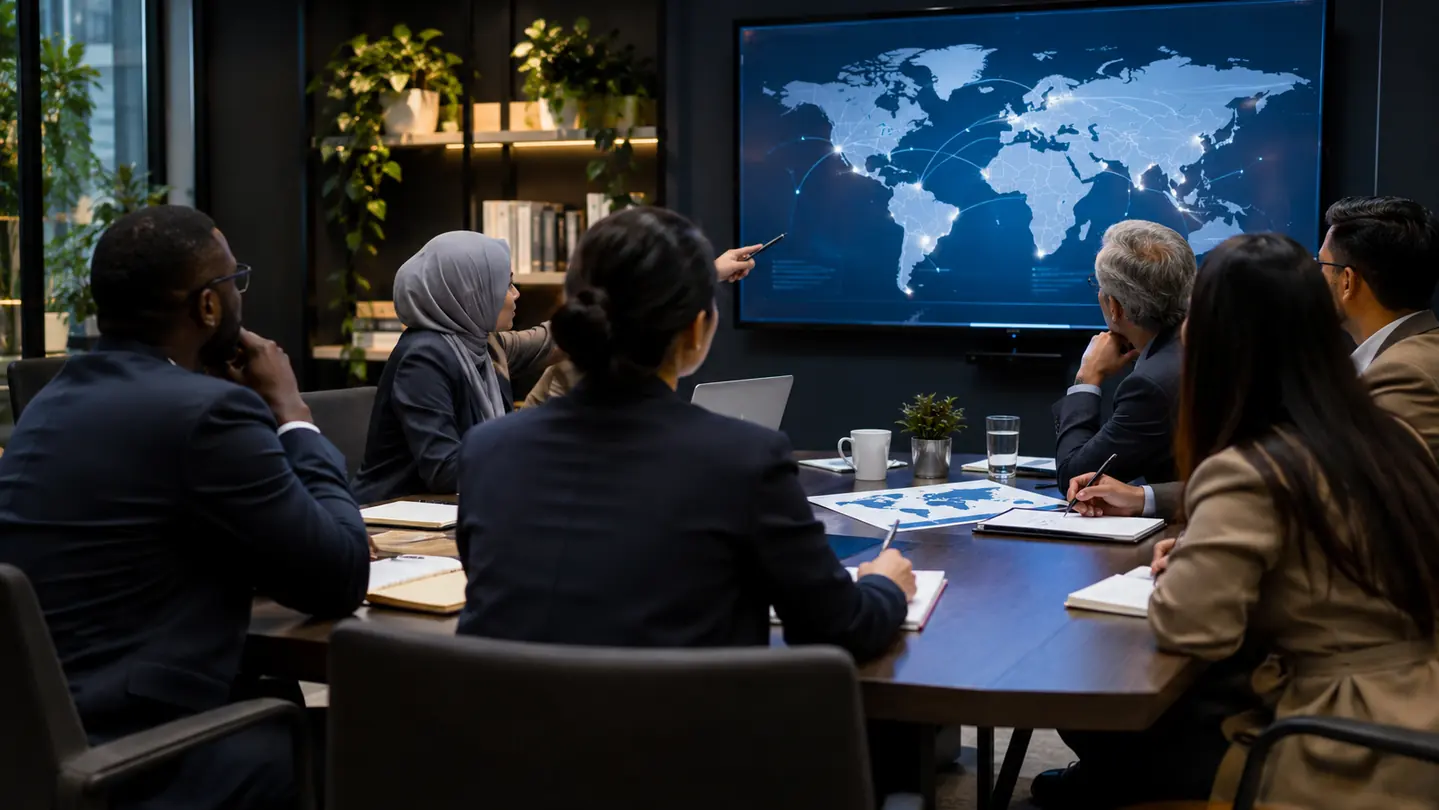
The Global Human Rights Network (GHRN) brings together experienced professionals in human rights, international law, research and investigation, documentation, journalism, writing, civil society initiatives, and the coordination of public assemblies and peaceful protests. Our multidisciplinary network contributes expertise in political and security analysis, criminal law, crisis management, and the protection of human dignity.
For the safety, security, and confidentiality of our colleagues, pseudonyms have been used for some members of the Global Human Rights Network (GHRN). This measure is intended to protect their identities and reduce potential risks associated with their human rights activities. Geographical affiliations are presented by broader regions rather than specific countries.
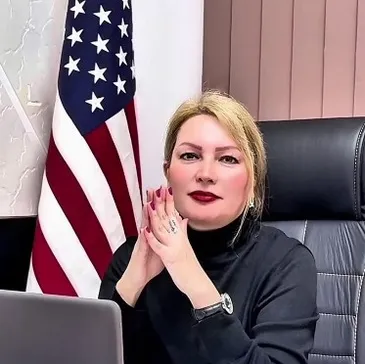
President, Vice President, Treasurer and Secretary — organizational direction, financial stewardship and administration.
North America
President & Secretary; Political and Security Analyst, Sociologist & Crisis Management Specialist
Caucasus
Vice President & Executive Committee Director; Criminal Law & Political Prisoners Advocacy
West Asia
Treasurer; Financial Specialist & CPA
Legal affairs, political prisoners, case review, investigation, documentation and refugee protection.
Caucasus
Legal Affairs, Political Prisoners, Case Review & Refugee Protection
West Asia
Civil Law Specialist & Human Rights Advocate
Committee Director: Sara Irani (listed under Organizational Leadership). Human rights advocacy, research, journalism, documentation and civic coordination.
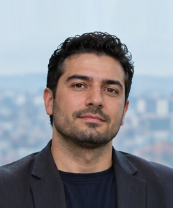
North America
Human Rights Advocate
Middle East
Human Rights Advocate
Middle East
Human Rights Advocate
Middle East
Human Rights Advocate
Middle East
Human Rights Advocate
Middle East
Human Rights Advocate
Middle East
Civil Society Advocate
Middle East
Civil Society Advocate
Middle East
Civil Society Advocate
Middle East
Civil Society Advocate
Middle East
Civil Society Advocate
Middle East
Civil Society Advocate
Middle East
Civil Society Advocate
Middle East
Civil Society Advocate
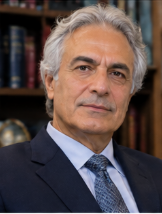
Middle East
Civil Society Advocate
Middle East
Civil Society Advocate

Middle East
Civil Society Advocate
West Asia
Human Rights Advocate & Research Specialist
West Asia
Military Affairs Specialist & Civil Society Advocate
Caucasus
Writer & Human Rights Advocate
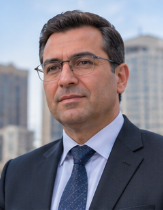
Caucasus
Middle East Political Researcher, Analyst & Writer
Caucasus
Civil Society Advocate
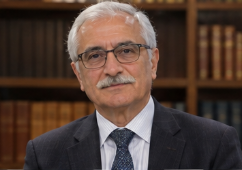
Caucasus
Civil Society Advocate
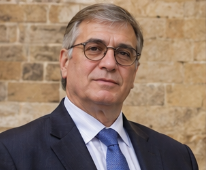
Caucasus
Civil Society Advocate
Caucasus
Civil Society Advocate
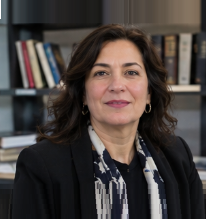
Caucasus
Civil Society Advocate
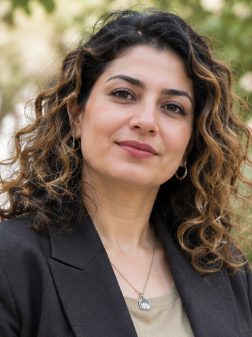
Caucasus
Civil Society Advocate
Caucasus
Civil Society Advocate
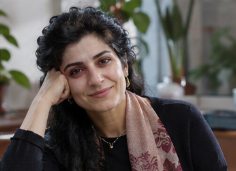
Caucasus
Civil Society Advocate
Central Asia
Executive Committee Member
Central Asia
Executive Committee Member
Central Asia
Executive Committee Member

Central Asia
Civil Society Advocate
Eastern Europe
Civil Society Advocate
Eastern Europe
Civil Society Advocate
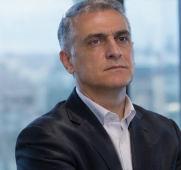
Eastern Europe
Civil Society Advocate
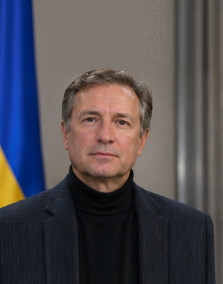
Eastern Europe
Civil Society Advocate
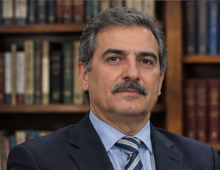
Eastern Europe
Civil Society Advocate
Eastern Europe
Civil Society Advocate
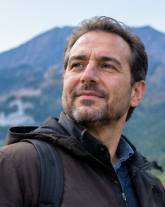
Oceania
Human Rights Advocate
Region Not Specified
Civil Society Advocate
Women’s and children’s rights, gender equality and human rights documentation. Sara Irani also serves in this division and is listed under Organizational Leadership.
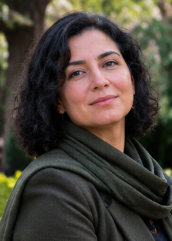
North America
Writer & Human Rights Advocate; Executive Committee

West Asia
Women’s & Children’s Rights Advocate; Journalism, Arts & Cinema; Executive Committee
Middle East
Women’s & Children’s Rights Advocate
North America
Women’s & Children’s Rights Advocate
North America
Women’s & Children’s Rights Advocate
Western Europe
Women’s & Children’s Rights Advocate
Our global network includes professionals and advocates specializing in human rights, international law, investigative research, journalism, political analysis, and civil society engagement.
The safety, privacy, confidentiality, and protection of our members remain fundamental organizational priorities.
The Global Human Rights Network recognizes that effective human rights work requires more than professional qualifications. It demands ethical responsibility, independence of judgment, respect for evidence, and an enduring commitment to the protection of human dignity.
Our strength is not defined by individual titles or positions, but by the shared responsibility to defend human dignity, preserve the truth, and challenge injustice through peaceful and accountable means.

The defense of human dignity cannot depend upon one institution, one profession, one country, or one generation. Researchers may contribute knowledge. Journalists may reveal facts. Lawyers may explain legal principles. Writers may preserve experiences. Volunteers may offer time and expertise. Witnesses may provide testimony. Readers may help bring neglected stories to broader attention.
Each contribution has a different role, but all can strengthen a culture of responsibility. We welcome constructive participation rooted in respect, accuracy, peaceful civic engagement, and the recognition that human rights are not the property of any political movement or institution.
A global human rights network is not defined merely by the number of people connected to it. It is defined by the integrity of its work, the independence of its judgment, and its willingness to defend the same fundamental principles even when doing so is difficult or unpopular.
We believe societies can build a future in which accountable institutions replace arbitrary power, independent courts protect equal rights, public resources serve the population, and citizens are free to shape their political and social future.
We believe democratic transitions must be founded upon the rule of law, public participation, institutional responsibility, justice, and respect for human dignity.
We believe knowledge can challenge propaganda, documentation can resist historical erasure, and public accountability can confront cultures of impunity.
Above all, we believe that the future belongs not to those who silence humanity, but to those who protect its freedom.
There is no universal measure of how much one person can contribute to the defense of human dignity. Some can support independent research. Others can contribute writing, translation, professional knowledge, documentation, or volunteer service. Some can provide financial sponsorship. Others can help ensure important information reaches those who need to hear it.
What matters is the willingness to act with responsibility, compassion, and respect for the truth. We invite individuals who share our commitment to freedom, equality, independent thought, peaceful democratic principles, and universal human rights to become part of this continuing effort.
We cannot erase every injustice. We cannot recover every life lost to violence or restore every year stolen by imprisonment. But we can refuse to let suffering disappear into silence, and we can work to ensure that truth remains visible when power seeks to conceal it.
The Global Human Rights Network stands for the fundamental conviction that no life is insignificant, no human being is beneath dignity, and no authority is beyond accountability.
WE NEVER FORGET. WE NEVER STAY SILENT.
GLOBAL HUMAN RIGHTS NETWORK
Freedom, Democracy, Justice, Human Dignity
GHRNETWORK.ORG