PART I: IRANIAN SUPPORT, FINANCIAL NETWORKS, INTERNAL REPRESSION AND HUMANITARIAN COST

The Houthi War Machine and Yemen's Internal Crisis
The Houthis, formally known as Ansar Allah, have evolved from a local insurgent movement into a heavily armed political and military authority controlling much of northern Yemen. Their expansion has imposed a severe cost on Yemen itself: prolonged warfare, landmines, arbitrary detention, suppression of independent civil society, restrictions on women, recruitment of children, disruption of humanitarian operations and exposure of civilian infrastructure to repeated regional military retaliation. Human Rights Watch reported that the Houthis continued arbitrary detention, enforced disappearances, torture, repression of journalists and aid workers, recruitment of children and attacks on civilian shipping during 2025.Human Rights Watch
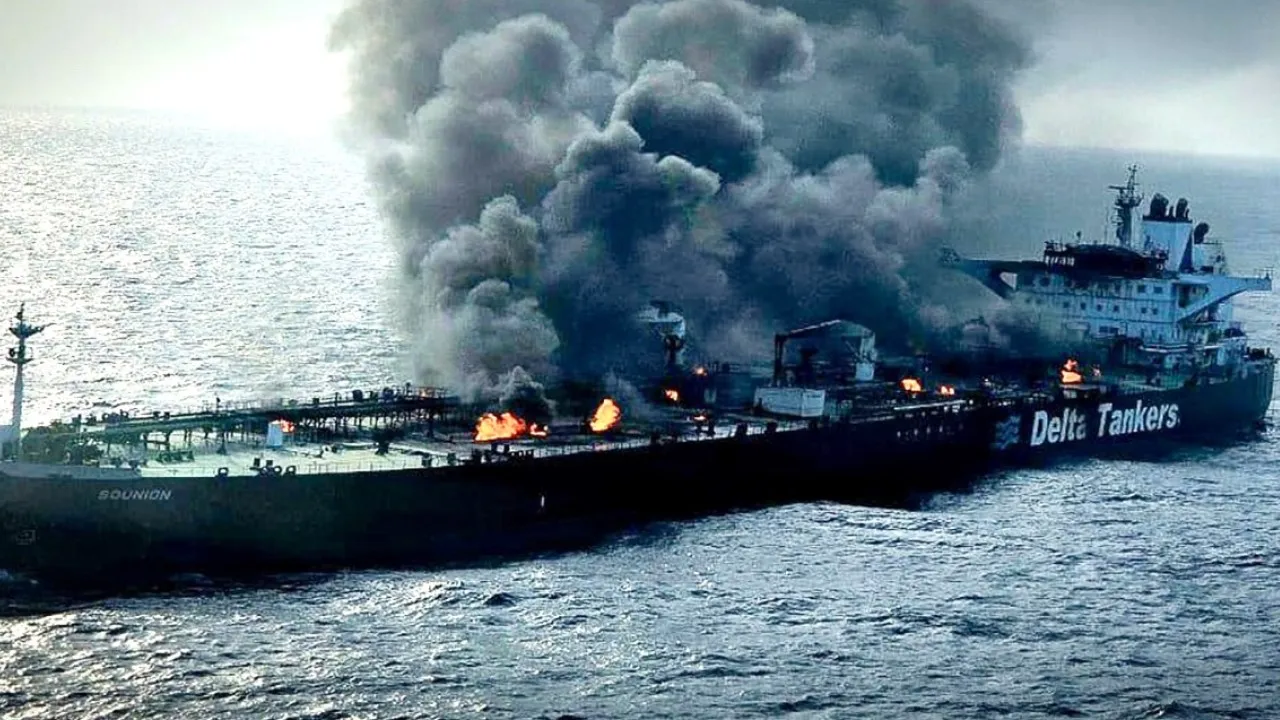
The Houthis' attacks in the Red Sea have also transformed Yemen from an internal conflict zone into a major international security arena. Human Rights Watch concluded that apparently indiscriminate Houthi attacks on civilian vessels and crews may amount to war crimes. These attacks have contributed to retaliatory strikes by the United States, Israel and other actors against Houthi-controlled territory, increasing the danger to Yemeni civilians and critical infrastructure.Human Rights Watch
Iran's Role: Beyond Political Sympathy
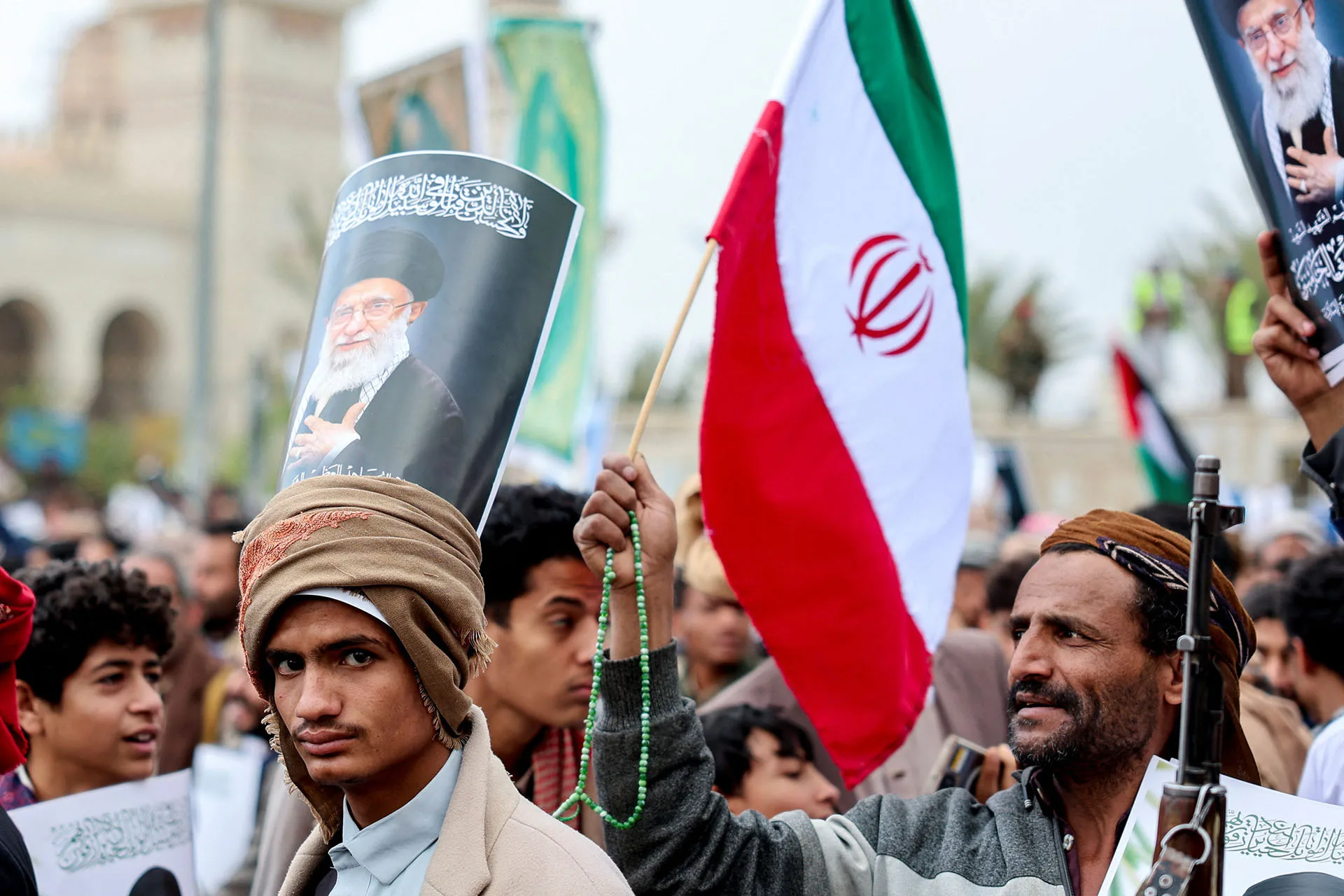
The relationship between the Houthis and the Islamic Republic of Iran is not limited to ideological alignment.
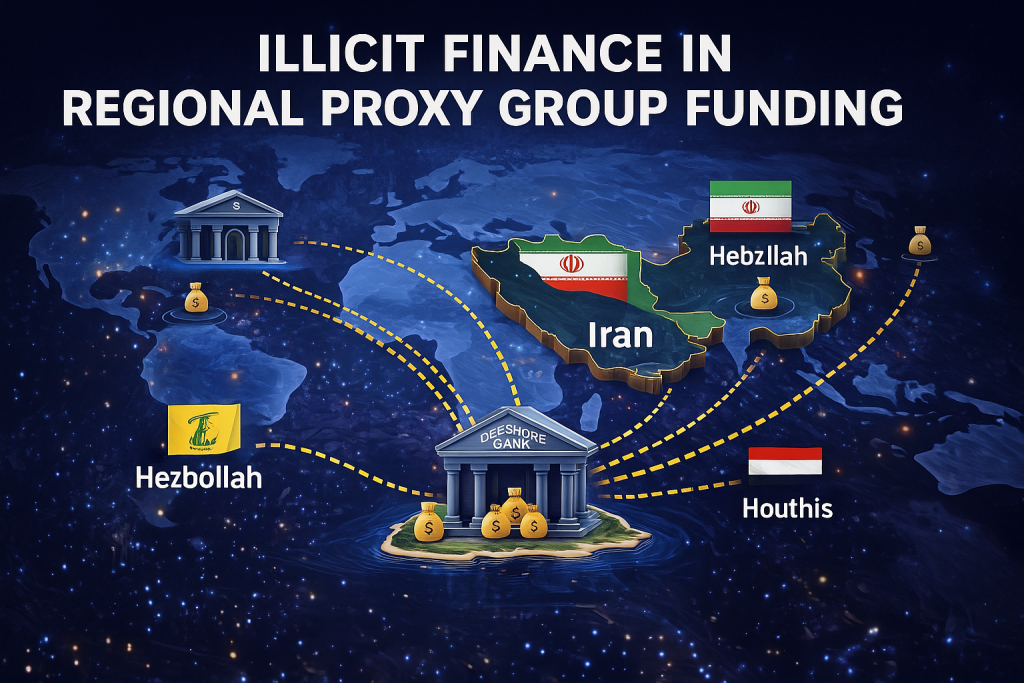
U.S. Treasury sanctions in January 2026 targeted 21 individuals and entities, as well as a vessel, that Treasury said were involved in moving oil products, procuring weapons and dual-use equipment and providing financial services to the Houthis. Treasury described the network as a set of financial conduits linking the Iranian government to Houthi revenue, procurement and smuggling structures in Yemen, Oman and the UAE.U.S. Department of the Treasury
A separate April 2025 Treasury action sanctioned the International Bank of Yemen and several executives, alleging that the bank provided financial support enabling the Houthis to access the international financial system and sustain military activity.U.S. Department of the Treasury
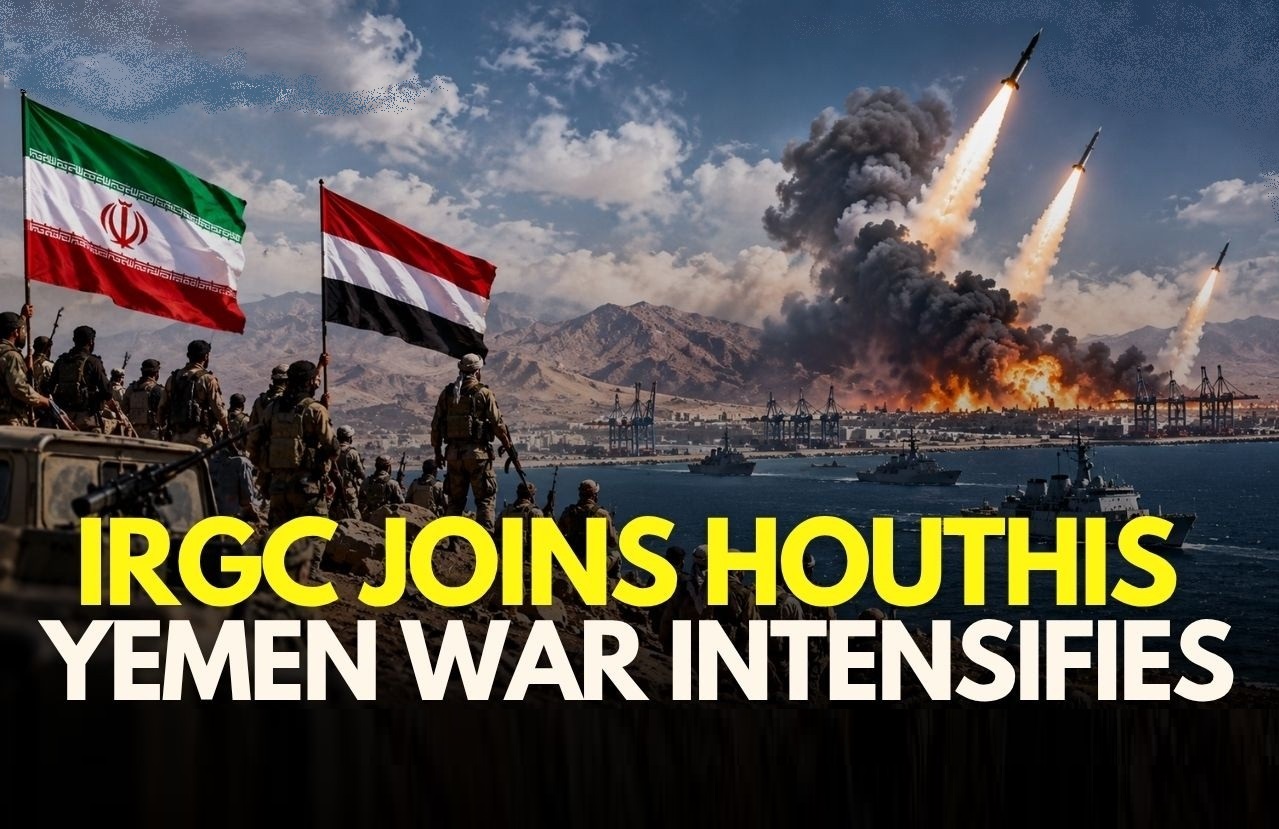
The relationship became even more explicit in September 2026. Reuters reported, citing Yemeni, Iranian and regional sources, that Iranian weapons, financing and tactical advice played a critical role in the Houthi seizure of the strategic Red Sea port city of Mocha. According to those sources, IRGC-Quds Force officers provided operational guidance, while Iranian-linked channels facilitated weapons and personnel movement despite restrictions and maritime controls. Iran has denied that it directly commands Houthi military operations.Reuters
That distinction is important.
The evidence supports describing the Houthis as an Iran-backed armed movement with substantial military, financial and advisory dependence on Tehran.
The available evidence does not prove that every Houthi operation is individually ordered from Tehran.
The relationship is therefore more accurately described as strategic dependence combined with operational autonomy, rather than literal command-and-control in every case.
Yemen Pays the Price
The greatest cost of this relationship is borne not by Iran but by Yemen.
The Houthis control territory containing a large share of Yemen's population, and their regional military strategy has repeatedly exposed Yemeni civilians and infrastructure to international retaliation.
The humanitarian consequences remain severe.
Human Rights Watch estimated that 19.5 million Yemenis required humanitarian assistance in 2025, an increase of 1.3 million from the previous year.Human Rights Watch
By September 2026, renewed fighting between Houthi forces and Saudi-backed government units had displaced more than 130,000 people, while the United Nations reported attacks affecting displacement camps and medical facilities. More than 70 UN personnel remained detained by the Houthis.Reuters
UNICEF separately warned that 2.2 million children under five could suffer acute malnutrition during 2026, including more than 500,000 at risk of the most severe form. In emergency screenings conducted among newly displaced populations, more than a quarter of the children examined were acutely malnourished.Reuters
These figures demonstrate that Houthi military expansion cannot be separated from Yemen's humanitarian collapse.
Detention of Humanitarian Personnel
The Houthis have increasingly treated humanitarian and international organizations as potential enemies.
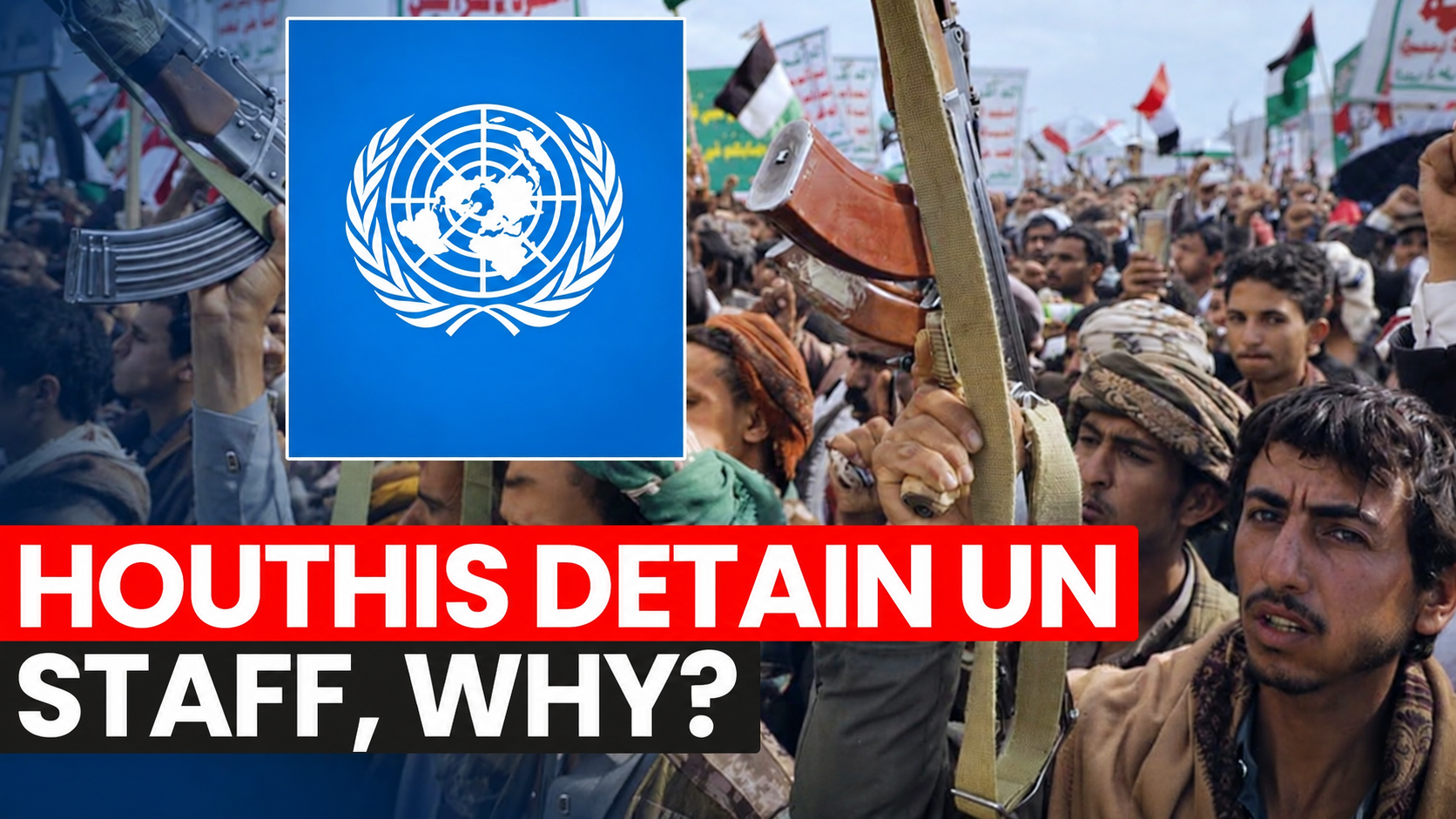
Human Rights Watch reported that as of December 2025 69 United Nations employees were in Houthi detention, including some detained in earlier years. Many had been denied access to lawyers or meaningful contact with their families.Human Rights Watch
The Houthis also promoted public accusations portraying humanitarian workers and international organizations as espionage networks.
This strategy creates two dangers simultaneously:
First, it intimidates civil society.
Second, it damages the humanitarian system on which millions of Yemenis depend.
When aid workers fear arrest, international organizations reduce operations, relocate employees or suspend programs.
The immediate victims are Yemeni civilians.
PART II: CHILD RECRUITMENT, LANDMINES, WOMEN'S RIGHTS AND THE CIVILIAN COST OF WAR
Children as a Military Resource
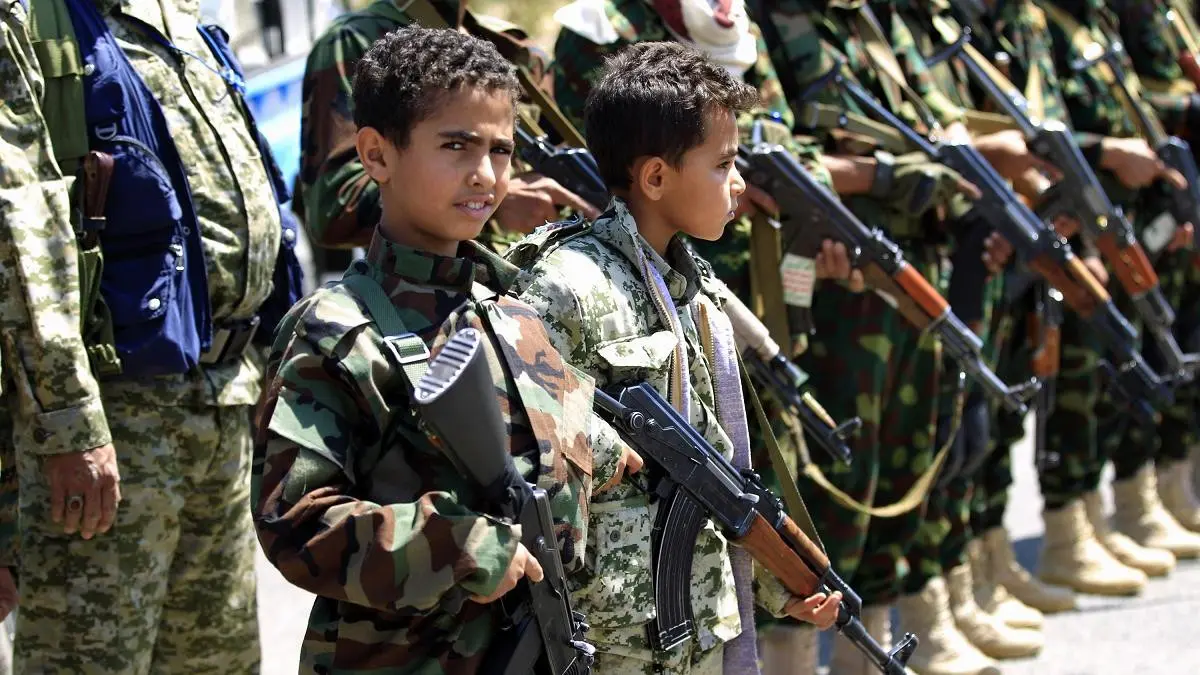
One of the most serious documented abuses concerns child recruitment.
Human Rights Watch reported that the Houthis increased recruitment of children into their armed forces, including recruitment presented as mobilization in support of Palestine. Earlier UN reporting documented more than 4,000 children recruited or deployed by warring parties in Yemen, including Houthi forces.Human Rights Watch
The long-term consequences extend beyond battlefield casualties.
Children removed from education and exposed to military indoctrination, weapons and combat may become part of a new generation whose social identity is built around armed conflict.
That creates a future security problem even if the current war stops.
Landmines: A War That Continues After the Fighting
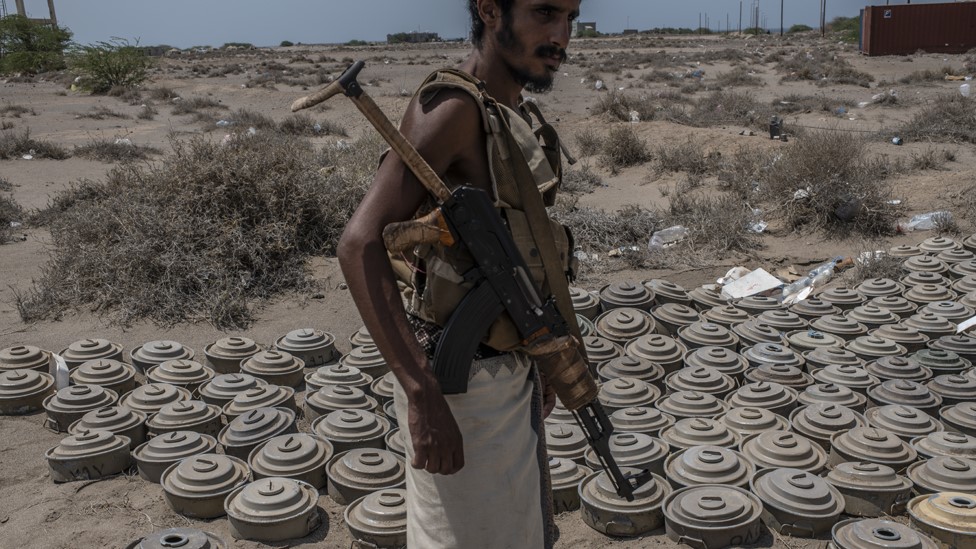
Houthi forces have also been repeatedly accused of extensive landmine deployment.
Between August 2024 and June 2025, UN monitors recorded 40 mine incidents that killed 32 people and injured 27 others, including women and children, in areas monitored around Hudaydah and frontline communities.Human Rights Watch
Landmines convert agricultural land, roads and villages into long-term danger zones.
Their effect may continue for decades after a ceasefire.
For Yemen, this means that the physical geography of war may continue killing civilians long after political agreements are signed.

Women Under Houthi Rule
The Houthis have imposed increasingly restrictive rules on women.
Human Rights Watch documented requirements for women to travel with a male guardian, or mahram, or obtain written authorization from a male guardian in order to travel.
UN human-rights experts have described broader Houthi practices as systematic violations of women's and girls' rights, including restrictions on movement, work, healthcare and freedom of expression.Human Rights Watch
These policies also damage Yemen economically.
Restricting women's mobility reduces access to employment, medical services, humanitarian work and education at a time when the country requires its entire workforce for reconstruction.

Humanitarian Collapse and Displacement
The humanitarian impact of prolonged conflict is cumulative. Displacement, malnutrition, destroyed infrastructure, restricted aid access and economic fragmentation reinforce one another.
In this environment, civilian vulnerability is not confined to front lines. It extends to access to food, medical care, transportation, communications and humanitarian assistance.
PART III: THE RED SEA, MISSILES, DRONES, BAB EL-MANDEB AND STRATEGIC DEPENDENCY ON IRAN
The Red Sea Strategy Can Turn Yemen Into a Permanent Battlefield
The Houthis' geographic position gives them extraordinary leverage.
The Bab el-Mandeb connects the Red Sea with the Gulf of Aden and is one of the world's most important maritime routes.
Missile and drone attacks launched from Yemen therefore have consequences far beyond Yemen's borders.
By September 2026, the Houthis had again become central to a wider regional confrontation. Reuters reported that Saudi Arabia was facing renewed Houthi missile and drone attacks while the Yemen conflict intensified along the Red Sea coast.Reuters
This creates a strategic danger for Yemen.
If Houthi territory is repeatedly used to launch attacks connected to regional conflicts involving Iran, Saudi Arabia, Israel or the United States, Yemen risks becoming a permanent forward operating arena for conflicts that are not primarily about Yemeni interests.
That is perhaps the most serious long-term threat.
Missile and Drone Capability
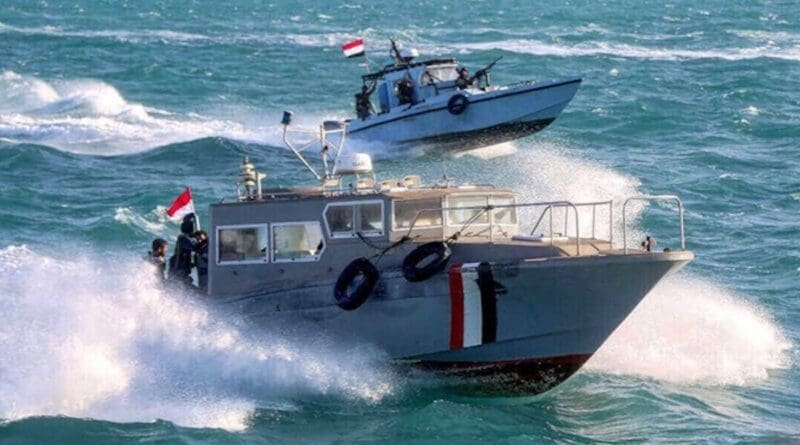
The military significance of Houthi-controlled territory increasingly extends beyond Yemen itself. Missile and drone systems give the movement the ability to affect maritime traffic, neighboring states and the calculations of external military powers.
That capability also increases the likelihood that Yemeni infrastructure and civilians will be exposed to retaliatory strikes.
The Risk of Strategic Dependency on Iran
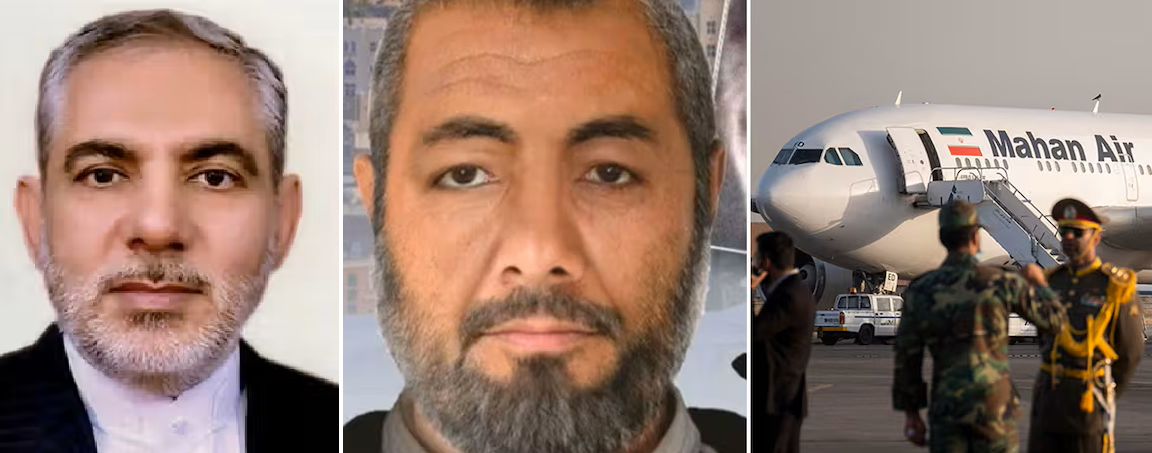
The Iranian relationship gives the Houthis capabilities they might otherwise struggle to obtain:
Missile technology, drone expertise, weapons components, financial networks, smuggling infrastructure, tactical knowledge and political backing.U.S. Department of the Treasury
But dependency creates its own vulnerability.
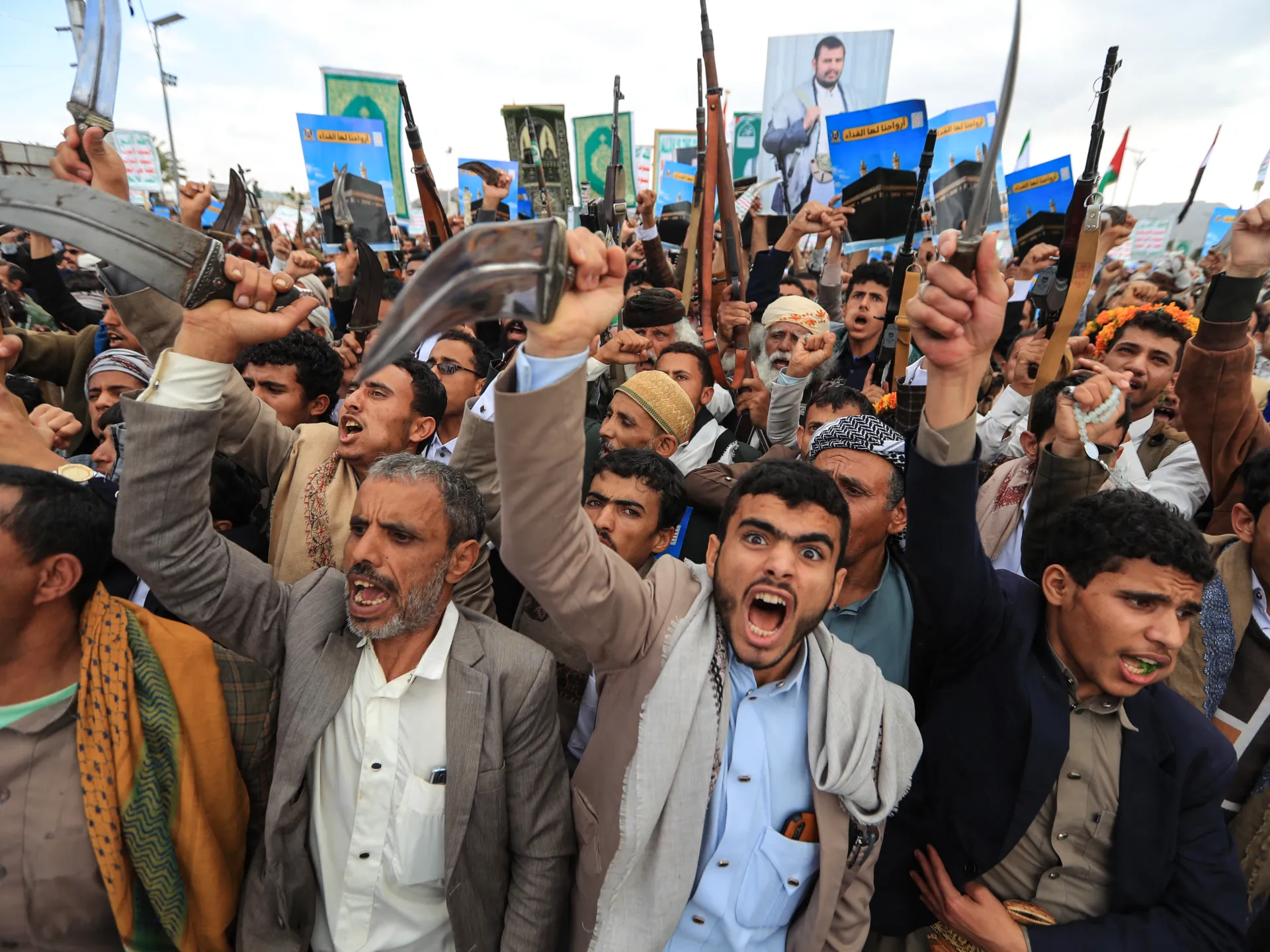
A movement that increasingly links its military strategy to Iran's regional confrontation may make decisions based on Tehran's strategic needs rather than Yemen's economic and humanitarian needs.
That does not mean the Houthis lack independent decision-making.
It means their incentive structure is increasingly international rather than purely Yemeni.
The danger for Yemen is clear:
Iran may obtain strategic leverage at relatively low direct cost, while Yemeni civilians absorb the military retaliation, economic isolation and infrastructure destruction.
Financing, Procurement and Sanctions Exposure
Financial networks, oil-product movements, procurement channels and access to the international financial system are central to sustaining military power.
The U.S. Treasury actions cited in this report describe networks involving financial conduits, procurement structures and entities accused of enabling Houthi military activity.U.S. Department of the Treasury
PART IV: FUTURE RISKS, FRAGMENTATION, REGIONAL RETALIATION AND FINAL ASSESSMENT
Future Risks to Yemen
If current trends continue, Yemen faces several connected long-term threats:
Permanent militarization: Houthi military institutions could become stronger than civilian state institutions.
Generational radicalization: Child recruitment and ideological military education may normalize armed conflict.
Economic isolation: Red Sea attacks and sanctions can reduce investment, insurance access, shipping activity and reconstruction financing.
Humanitarian institutional collapse: Continued detention of UN and NGO staff may force international organizations to reduce operations.
Foreign dependency: Greater reliance on Iranian financing, weapons and expertise may reduce the ability of any future Yemeni government to exercise independent national security policy.
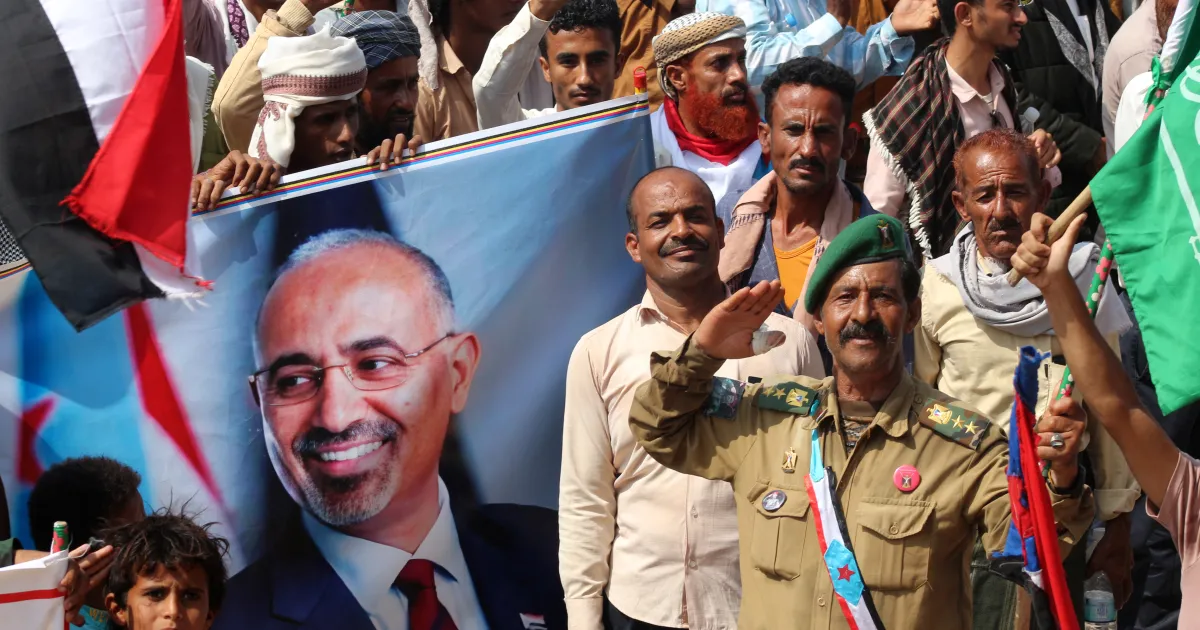
Internal fragmentation: The Houthis, internationally recognized government, southern forces and other armed groups may continue competing for territory and revenue.
Regional retaliation: Missile or drone attacks linked to wider Iranian confrontation can provoke strikes inside Yemen.
Maritime escalation: Control or disruption near Bab el-Mandeb gives the Houthis international leverage but also ensures that outside powers will remain militarily interested in Yemen.
The Most Dangerous Outcome
The most dangerous future scenario is not simply continued civil war.
It is the transformation of Yemen into a permanently militarized state divided between competing armed authorities while Houthi-controlled territory functions as a regional missile, drone and maritime-pressure platform.
In such a scenario, Yemen would carry the human and economic cost of conflicts shaped partly outside its borders.
The country's ports, telecommunications systems, banking institutions, energy infrastructure and civilian population would remain exposed to sanctions, airstrikes and military escalation.

Final Assessment
The Houthis cannot be understood only as a Yemeni rebel movement.
By 2025 and 2026 they had become:
A domestic governing authority, an armed movement, a regional missile and drone actor, a Red Sea maritime threat, an Iranian strategic partner and a major source of internal repression.
Iranian support is extensively documented.
So are Houthi abuses.
But the strongest conclusion is more precise than calling the Houthis Iran's "slaves."
The available evidence shows a relationship in which Iran supplies important military, financial, technical and strategic support while the Houthis retain meaningful operational autonomy.U.S. Department of the Treasury
For Yemen, that distinction does not remove the danger.
The danger lies in the possibility that Houthi military power becomes increasingly integrated into a regional conflict architecture while Yemen itself remains impoverished, divided and institutionally weak.
In that outcome, Yemen becomes the battlefield, Yemeni civilians pay the price, and external actors gain strategic leverage from a war fought largely on Yemeni soil.
Sources and Reference Material
Human Rights Watch, World Report 2026: Yemen
Human Rights Watch, World Report 2025: Yemen
U.S. Department of the Treasury, Houthi Financial and Procurement Network, January 2026
U.S. Department of the Treasury, International Bank of Yemen Action, April 2025
Reuters, Iranian Arms and Advice and the Houthi Seizure of Mocha, September 10, 2026
Reuters, UN Rights Chief on Civilians Bearing the Brunt of Yemen Fighting, September 24, 2026
Reuters, UNICEF Warning on Child Malnutrition in Yemen, September 25, 2026
Reuters, Renewed Houthi Missile and Drone Attacks and Red Sea Fighting, September 24, 2026
Research, investigation, compilation and preparation by the Editorial Team.