Dissecting the Iranian Transition: Power Dynamics, Structural Vulnerabilities, and Civil Pluralism
An Investigative and Comprehensive Report on the Interconnected Democratic Aspirations of Iran, Regional Implications in the Middle East, and Geopolitical Ramifications for American Society.
The Architecture of Infiltration and the Erosion of Authority: Analyzing Structural Intelligence Failures in the Middle East, Washington's Strategic Blindspots, and the Civil Push for Secular Reform
An investigative analysis of the systemic transition from counter-espionage to domestic policing in Iran and the wider region, its catalyst role in high-level foreign subversion, and the widening legitimacy deficit exacerbated by transactional U.S. foreign policy.
Article Information
Global Human Rights Network (GHRNetwork) — GHRNetwork Political and Security Research Department / Global Human Rights Network Editorial Team — Investigative Research and Political Analysis Report

Abstract
This article evaluates the profound governance crisis and structural vulnerabilities plaguing contemporary Middle Eastern intelligence frameworks, with a core focus on Iranian society, alongside the corresponding foreign policy calculations of the United States. Recent empirical data demonstrates that when authoritarian states redirect their primary security apparatuses from specialized counter-espionage to domestic surveillance and the suppression of civil space, they inadvertently create massive security vacuums. These vacuums facilitate high-level systemic infiltration by foreign intelligence services. Concurrently, Washington's historical reliance on realpolitik and transactional stability has systematically alienated the regional public, eroding American soft power. By examining the intersections of state-sanctioned corruption, intelligence failures, and shifting public trends, this report highlights the burgeoning regional demands for the rule of law, institutional accountability, and secular governance.
This comprehensive report investigates the multi-layered socio-political shift within Iranian society as it approaches a historical transitional phase. It analyzes how internal civic movements intersect with systemic state vulnerabilities, deeply entrenched regional corruption networks, and shifting geopolitical frameworks involving American society and broader Middle Eastern nations. Utilizing documented institutional findings and independent sociological evaluations, this article critiques the structural collapse of ideological legitimacy inside Iran. It contrasts genuine domestic desires for secularism, democracy, and political pluralism against the autocratic vanguards within both the state and non-democratic opposition circles, such as the People's Mojahedin Organization of Iran (MEK). Ultimately, this research demonstrates that sustainable transition in Iran is inextricably linked to regional stability in neighboring states and a transparent, rights-first foreign policy execution by Western democracies.
Introduction
The political and security dynamics of the mid-2020s signal a definitive paradigm shift in the conceptualization of national security across the Middle East. The escalating friction between entrenched state power and the cumulative demands of civil societies is no longer merely a domestic governance issue; it has become the primary driver of regional strategic vulnerability. To ensure immediate political survival, ruling elites have structurally repurposed their intelligence architectures to enforce domestic compliance and stifle civil liberties—a trend most vividly documented within contemporary Iranian society. However, the direct consequence of this inward-looking doctrine has been the hollowization of external defense mechanisms. Simultaneously, the United States' cross-border doctrine, which perpetually seeks to balance raw strategic interests with democratic rhetoric, faces an acute crisis of credibility. Regional public opinion increasingly views Washington’s transactional diplomacy not as a stabilizing force, but as an external guarantor of authoritarian continuity.
Any sustainable transformation within the political and social architecture of a society depends heavily on an objective understanding of both domestic and international variables. Today, Iranian society stands at one of its most intricate historical crossroads—a period where deep-seated civic demands are directly entangled with systemic state failures, institutional corruption, and regional security threats fueled by extremist ideologies.
The Global Human Rights Network (GHRNetwork) asserts that charting a democratic transition requires an unyielding, independent, and evidence-based approach. In this framework, a candid critique of power structures—free from partisan alignment—and a meticulous separation of verified facts from political rhetoric are vital to amplifying the authentic will of the people. The coordinates of this transitional paradigm extend far beyond Iran's geographic borders; they intersect directly with the public conscience of American society, the strategic deliberations of Washington, and the collective fate of nations across the Middle East.

Background & Context
The roots of the current crisis trace back to the late 20th and early 21st centuries, during which regional security doctrines underwent a radical transformation in response to successive waves of mass popular uprisings. Fearing systemic collapse, regional regimes bypassed institutional and economic reforms, opting instead for the absolute securitization of public life. In Iran, this trajectory accelerated exponentially following recent waves of nationwide protests, prompting the rapid expansion and financial empowerment of parallel intelligence organs. During this same epoch, the United States, scarred by the immense human and financial costs of direct military interventions in Iraq and Afghanistan, pivoted toward a doctrine of "remote crisis management." This strategy relied on forging security alignments with established regional autocrats. By neglecting the socio-political evolution of the civilian population and failing to gauge the broader public view, this U.S. framework relied on an artificial stability that ignored the volatile undercurrents of the region.
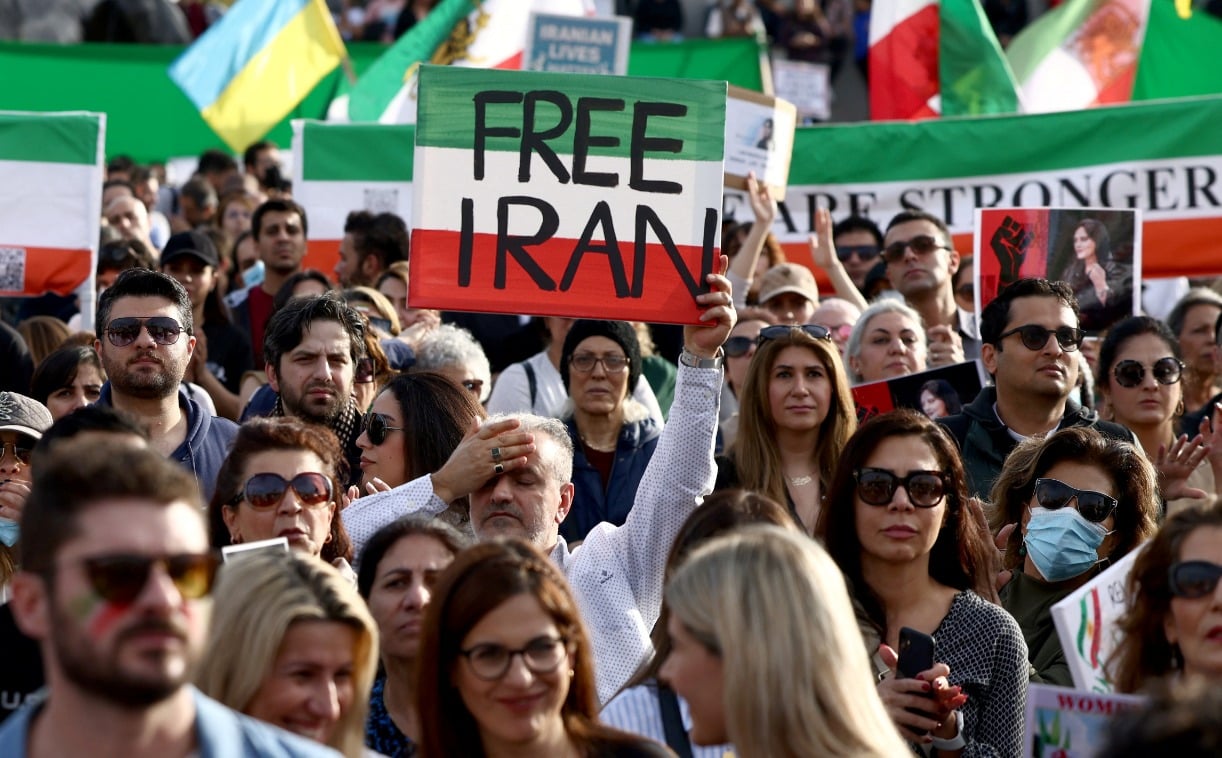
The modern impetus for transition within Iranian civil society has been accelerated by decades of compounding crises. Sociological milestones, notably the historical waves of domestic unrest culminating in the "Woman, Life, Freedom" (Mahsa Amini) uprisings, altered the socio-political terrain permanently. These movements transformed sporadic economic grievances into an absolute, structural rejection of the Islamic Republic's ideological guardianship.
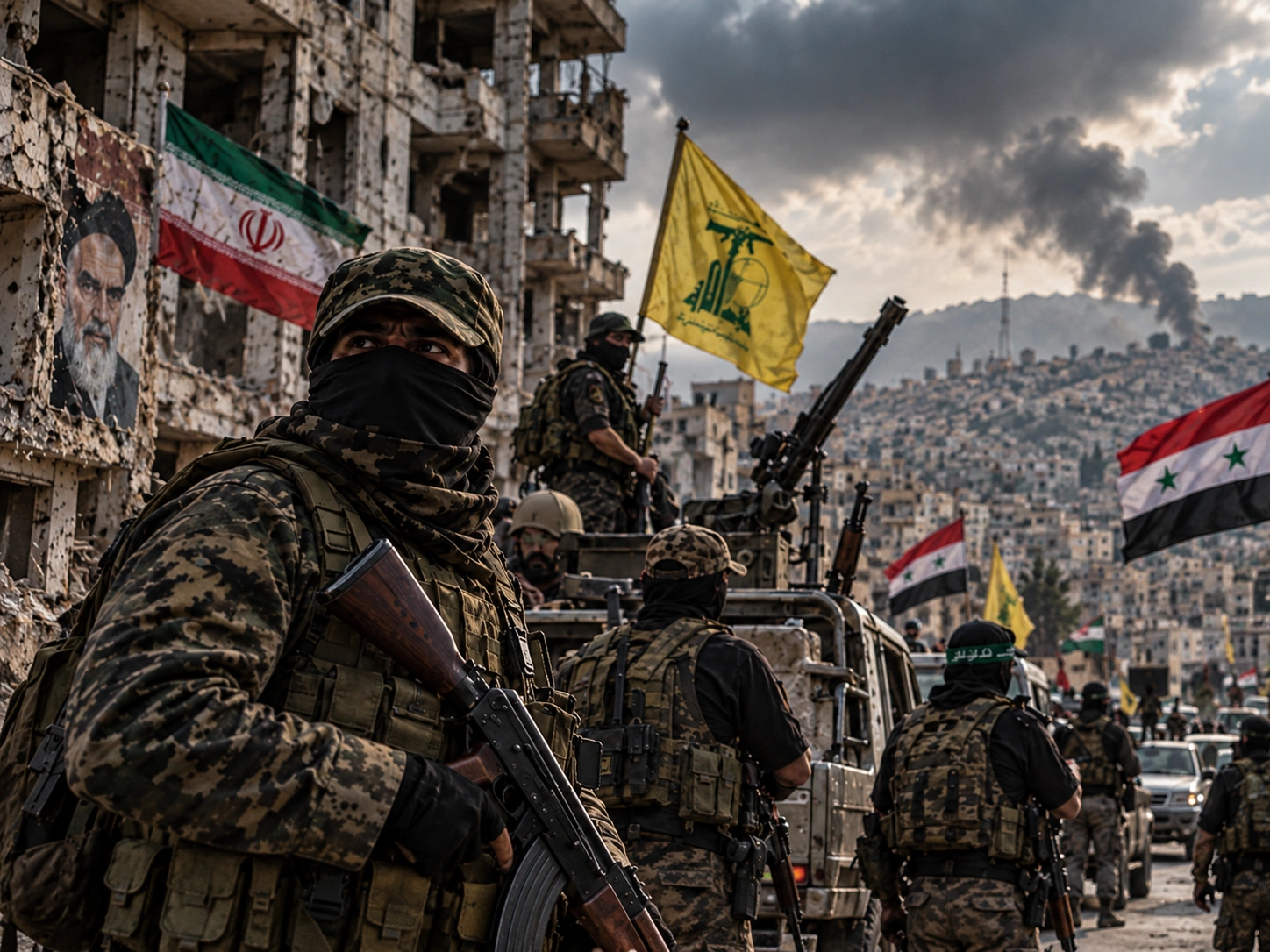
Simultaneously, the regional framework of the Middle East has been shaped by the export of ideological militancy through parallel state organs like the Islamic Revolutionary Guard Corps (IRGC). This network extends asymmetric influence into Iraq, Syria, Lebanon, and Yemen, embedding domestic Iranian crises into the wider regional stability framework. Historically, Western approaches—particularly within the United States—have fluctuated between severe economic isolation regimes and localized diplomatic engagement, directly impacting the economic welfare of regular citizens while inadvertently shifting the internal balance of power toward unaccountable security agencies.
The Washington Paradox: Short-Term Stability and Long-Term Social Alienation
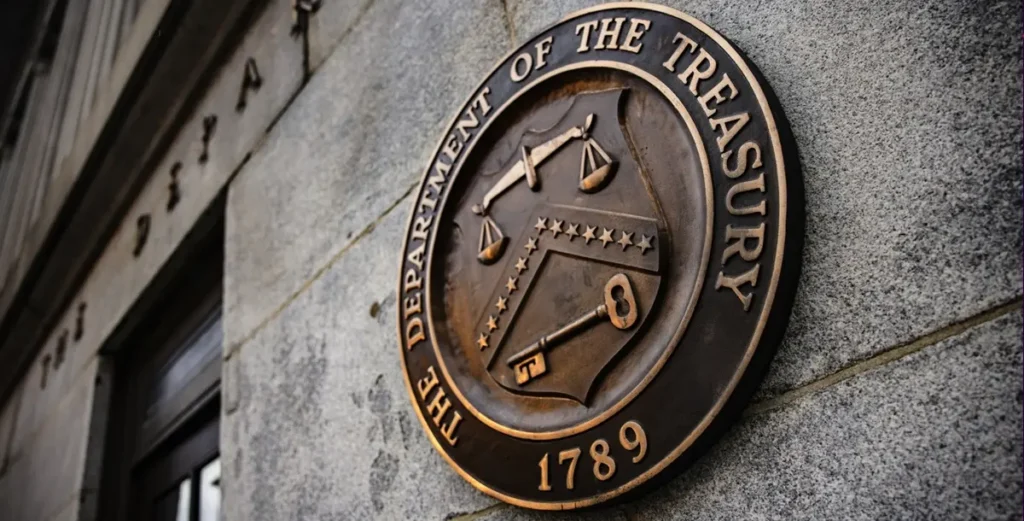
United States foreign policy in the Middle East has long been paralyzed by the contradiction between political realism and liberal idealism. An examination of historical precedents reveals that Washington has consistently prioritized the security of energy corridors and formal diplomatic pacts with corrupt ruling elites over the promotion of sustainable democratic processes. This transactional approach has severely bankrupted America's moral authority among the younger, highly connected demographics of the Middle East. The regional public views these policies through the lens of double standards, noting that human rights violations are aggressively penalized in adversary states like Iran but tolerated or minimized in allied regimes. This perceived hypocrisy strips the West of its soft power, inadvertently providing ideological ammunition for regional radicalism and anti-Western political mobilization.
The Resonance of Middle Eastern Realities Within American Society
The aggressive regional policies pursued by Tehran have triggered waves of structural devastation across Middle Eastern societies, while simultaneously reshaping public perception within the United States. Within American society, taxpayers and citizens are increasingly demanding absolute transparency regarding Washington's long-term geopolitical maneuvers in the Middle East.
The American public operates on a nuanced balance: expressing profound, organic solidarity with the democratic aspirations of the Iranian people while maintaining deep skepticism toward open-ended, costly military entanglements in the region. American civil discourse increasingly rejects backroom political deals with non-democratic or historically violent opposition factions. This shifting dynamic forces policymakers to move away from purely militaristic strategies or superficial alliances, emphasizing the need to champion structural, transparent support for genuine democratic will.
The Inextricable Link Between Human Rights and Regional Stability
The Iranian state's aggressive foreign policy and its reliance on parallel military and intelligence networks have severely undermined human rights across various Middle Eastern societies. From Iraq and Syria to Yemen and Lebanon, the export of ideological militancy, drone proliferation, and the backing of non-state armed actors have fractured the process of sovereign, democratic state-building.
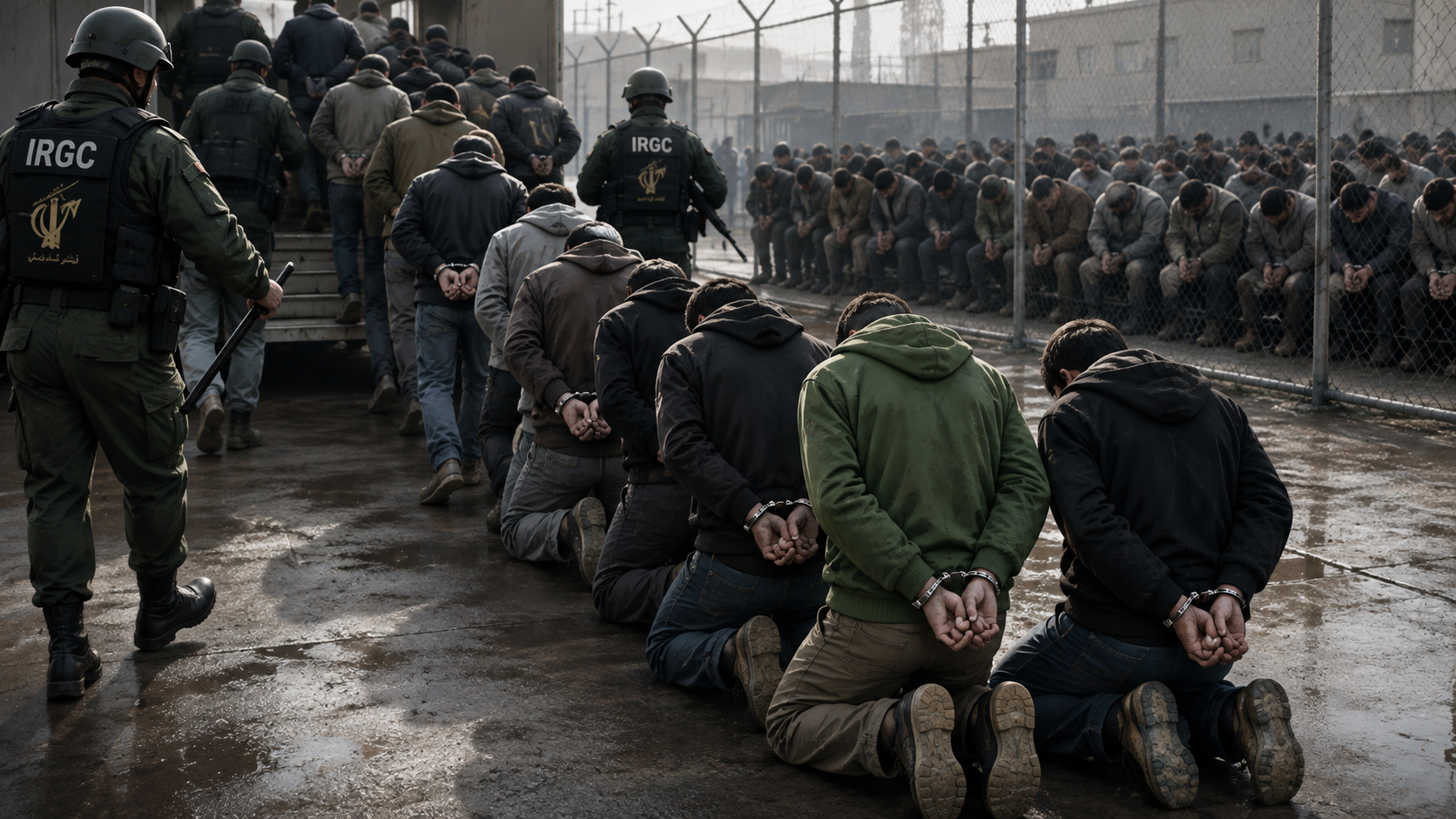
In these cross-border environments, the fundamental rights of ordinary citizens are routinely sacrificed to proxy conflicts. By securitizing its external environment, the establishment in Tehran systematically labels any domestic peaceful critique of its economic squandering or foreign policy as a threat to national security. This methodology effectively strips citizens of their right to protest and chokes the channels of civic dialogue. However, under international human rights law, sustainable global and regional peace remains directly contingent upon how transparently and democratically a government treats its own populace.

Research Methodology
This study utilizes a comparative-analytical approach grounded in Open Source Intelligence (OSINT). The primary dataset comprises official publications from international human rights bodies, unclassified judicial records from high-profile corruption and espionage trials in the region, and formal policy declarations from the U.S. Department of State. Public opinion and civil trends are evaluated via a meta-analysis of independent regional surveys and verified field reports from local civil society groups. This methodological framework strictly delineates state-backed rhetoric from verifiable socioeconomic and security data to ensure an objective assessment of institutional efficacy.
This research employs a qualitative and empirical investigative framework combining open-source intelligence (OSINT), documented institutional registries, and comparative political analysis. Data verification relies heavily on official documentation from international oversight bodies, including the Office of the United Nations High Commissioner for Human Rights (OHCHR), Amnesty International, Human Rights Watch (HRW), and the U.S. Department of State Country Reports on Human Rights Practices.
To evaluate public sentiment and opposition legitimacy, this report references empirical field data, independent sociological surveys, and community testimonies filtered through strict verification protocols to isolate verified facts from partisan rhetoric or state-sponsored disinformation. Financial infrastructure critiques are constructed using cross-referenced economic registries tracking illicit money laundering networks in the Middle East.

The Reallocation of Mandates: The Severe Cost of Internal Suppression on Counter-Intelligence
The intelligence architectures of authoritarian regimes in the Middle East suffer from a catastrophic misallocation of strategic resources. When the lion's share of a security service’s budget, technological infrastructure, and specialized personnel is expended on internet censorship, deep packet inspection, and the systematic tracking of labor unions, teachers, and student activists, the counter-espionage divisions face severe resource depletion. Within the Iranian context, the empirical consequences of this operational imbalance have manifested in repeated, highly coordinated assassinations of strategic scientific and military personnel, sabotage at highly secure nuclear facilities, and the systemic theft of classified state archives. These breaches demonstrate that while the state is highly proficient at neutralizing unarmed domestic dissidents, it remains profoundly incompetent at detecting and neutralizing deeply embedded foreign espionage networks operating within its upper echelons.
The Infiltration Catalyst: Systemic Corruption under the Guise of National Security Immunity
Systemic corruption in the Middle East is fundamentally a national security vulnerability rather than a mere economic misdemeanor. In totalist systems, intelligence and military entities frequently encroach upon the commercial sphere, seizing control of major import-export monopolies, infrastructure projects, and sanctions-evasion networks. Operating under the shield of national security secrecy, these entities transform into unaccountable financial cartels, effectively destroying judicial independence. Investigative data indicates that the most damaging foreign intelligence breaches are rarely driven by ideological subversion; instead, they are nurtured within these corrupt financial networks and bitter factional rivalries. When elite survival becomes entirely dependent on illicit enrichment, financial greed becomes the primary conduit through which foreign intelligence agencies recruit high-ranking assets and purchase sensitive state secrets.

Evidence & Analysis
An analysis of regional judicial indictments and the annual indices compiled by transparency organizations reveals a direct statistical correlation between the erosion of civil liberties and the vulnerability of state structures to external subversion. In multiple documented security breaches across the region, targeted investigations revealed that key double agents had been placed at the very head of domestic counter-espionage units. This pattern illustrates that ideological and political loyalty screening methods used by these regimes are entirely obsolete when countered by modern, financially incentivized foreign espionage tactics. Conversely, declassified U.S. policy reviews indicate that Washington’s strategic assessments of the region have consistently suffered from an "elite-bias" error, relying heavily on official state channels while failing to anticipate the structural breaking points of the societies they seek to influence.

Critical Assessment
The core paradox of regional security governance lies in the fact that authoritarian states define their own citizenry as the primary threat to national security. This inverted threat perception has led to a systematic purge of independent technical experts from state institutions, replacing them with politically compliant ideologues. Furthermore, institutional accountability for catastrophic intelligence failures is habitually evaded by hiding behind classification laws or blaming foreign conspiracies. The total absence of independent parliamentary oversight or a free press ensures that senior security officials face no legal or professional consequences for operational failures, creating a self-perpetuating cycle of strategic incompetence.
The Middle Eastern Power Mafia and Internal Financial Exploitation
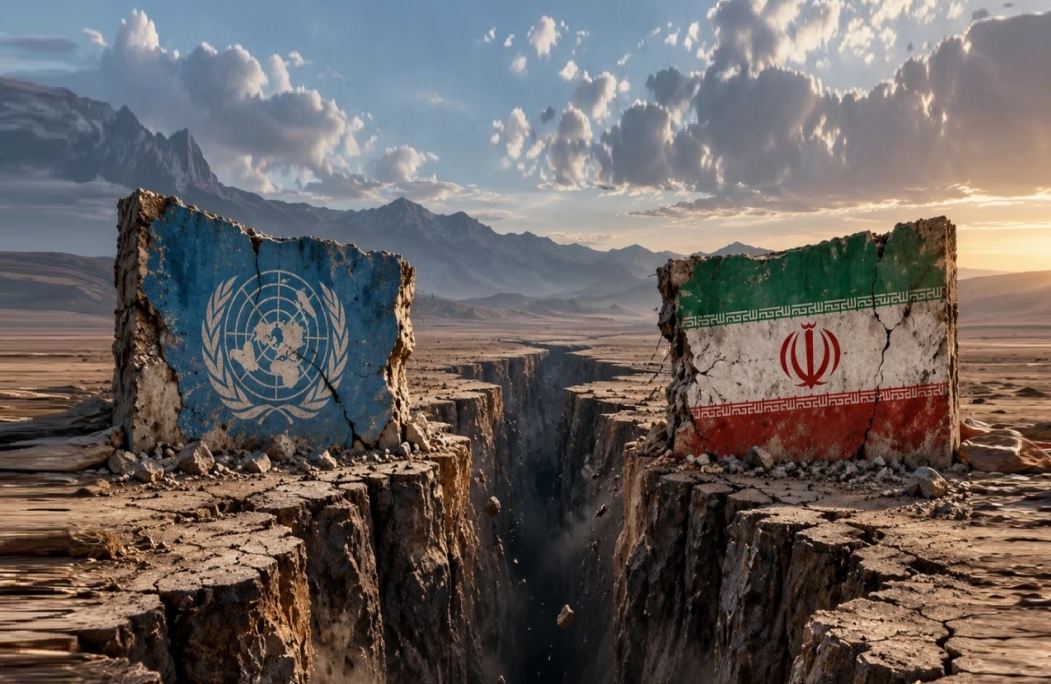
Corruption within the current Iranian structure is not an incidental byproduct; it is entirely systemic and institutionalized. The total lack of financial transparency among parallel religious and military foundations, the allocation of massive state budgets to unaccountable entities, and the military’s dominance over primary economic supply chains have birthed a "power and wealth mafia". This organized exploitation directly compromises the economic stability of surrounding Middle Eastern societies, where regional financial markets face severe strain due to illicit currency smuggling, systemic money laundering, and terror-financing channels.
Documented economic audits reveal that national revenues and natural resources are routinely diverted to preserve internal loyalty networks and bankroll extra-territorial operations, rather than being invested in national infrastructure, education, or poverty alleviation. This destructive cycle completely invalidates the regulatory power of elected bodies and turns distributive justice into an empty concept.
[Diversion of Iranian National Wealth] ──> [Mafia Networks & Money Laundering in ME] ──> [Terror Financing & Regional Stagnation]
│
└──> [Consequence: Taxpayer Strain in US & Sanction Enforcements]
Intelligence Failures, Covert Penetration, and Institutional Accountability
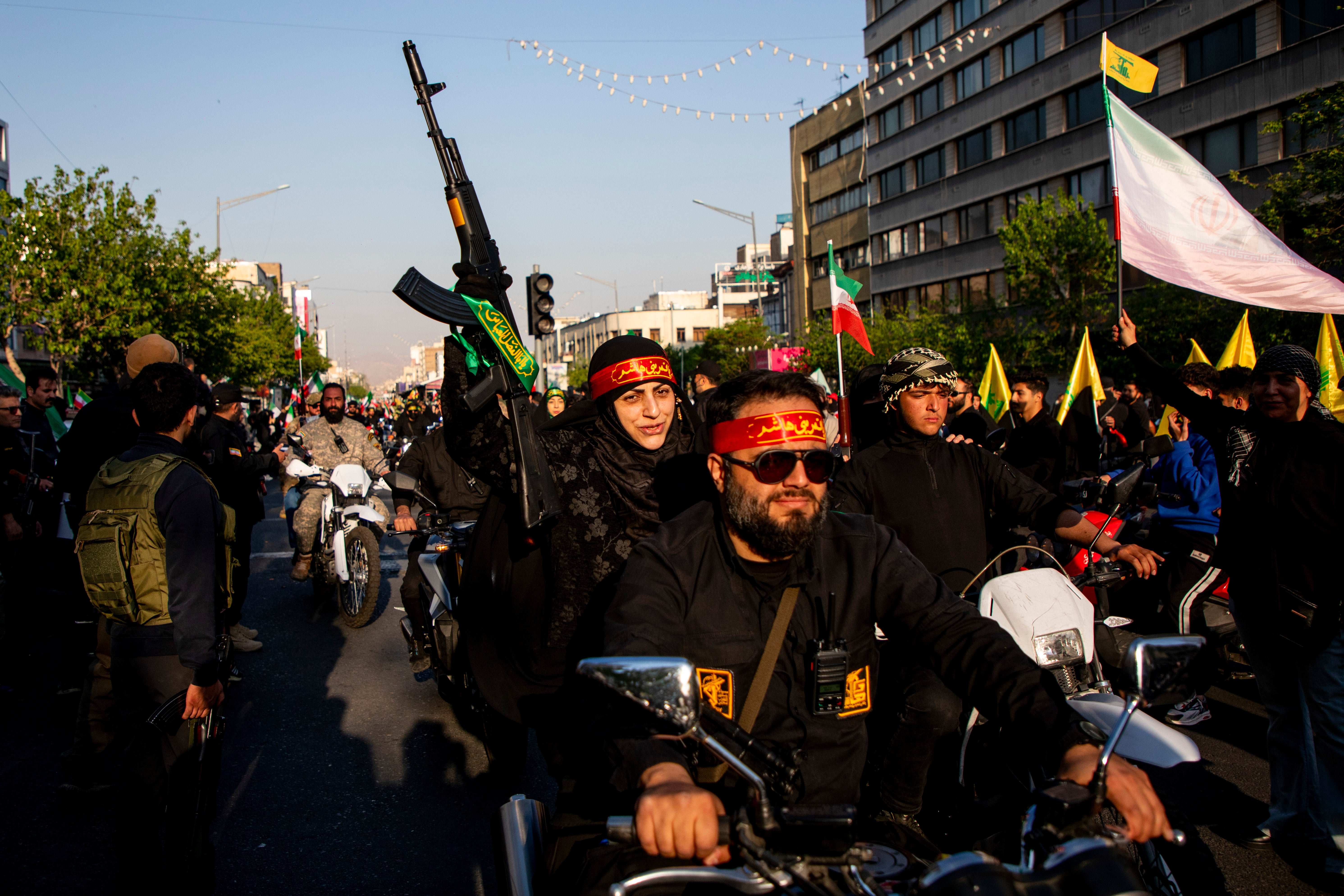
A glaring paradox defines Iran's security apparatus: while it deploys extreme, high-tech surveillance and brute force against civil activists, students, and independent journalists internally, it has repeatedly shown staggering vulnerabilities to external espionage, high-profile assassinations, and strategic sabotage. The chronic penetration of heavily guarded nuclear and military facilities serves as undeniable proof that the state's obsessive focus on domestic suppression has compromised its primary mandate of counter-espionage and national defense.
This structural decay stems from a system that systematically prioritizes "ideological loyalty" over "technical and objective expertise". Under the principles of the rule of law, senior officials within these intelligence agencies must be held legally and judicially accountable for these profound security failures and the accompanying human rights abuses carried out under the guise of regime preservation. These vulnerabilities do not merely destabilize Iran; they actively threaten the wider security equilibrium of Middle Eastern nations and distort strategic balance with the United States.
Implications & Findings
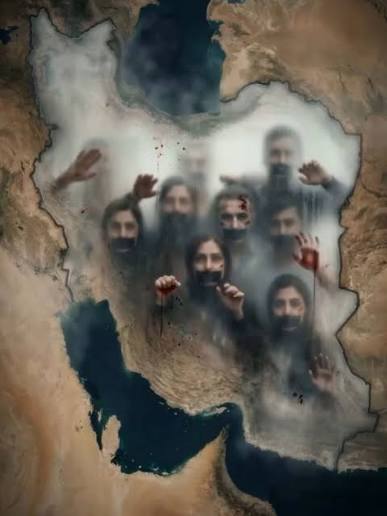
• Security Implications: The ongoing prioritization of domestic policing over specialized external defense ensures that regional states will remain highly vulnerable to advanced cyber warfare, infrastructure sabotage, and fifth-generation asymmetric subversion.
• Socioeconomic and Human Rights Implications: The persistence of hard-power domestic suppression continues to trigger extensive international sanctions. While these measures are designed to pressure the ruling elite, their practical macroeconomic impact completely devastates the middle class—the historic driver of moderate political evolution. This economic squeeze hollows out civic space, escalating social desperation.
• Civil and Political Shifts: Public demands within Iranian society and the wider Middle East have shifted from superficial reformism to a profound demand for structural transformation. The defense of individual liberties, freedom of expression, institutional justice, and secularism—specifically the total decoupling of religious dogmatism from the legislative process—has transitioned from an elite intellectual discourse into a mainstream civil movement.
The empirical findings of this report yield distinct geopolitical, economic, and human rights indicators across the three targeted sectors:
• Geopolitical Realignment: The ongoing polarization of the Iranian military apparatus deepens its reliance on non-Western partnerships, creating a rigid axis that impedes stabilization efforts across Syria and Iraq.
• Socio-Economic Stagnation: The operational reach of the parallel economic mafia ensures that international economic sanctions primarily degrade the purchasing power of the middle and lower classes, leaving the core financial architecture of the security elite insulated through illicit regional hubs.
• American Strategic Calibration: Public opinion in the United States acts as a firm barrier against absolute military entanglements, meaning future U.S. administrations must rely heavily on multilateral human rights targeted sanctions and direct diplomatic support for domestic civil labor unions and civic movements inside Iran, rather than funding exiled militant entities.