In the complex geopolitical landscape of the Middle East, international relations frequently extend far beyond ideological alliances. They are shaped by strategic calculations, economic interests, regime survival, energy security, regional rivalry, and balances of power.
Few countries illustrate this reality more clearly than Qatar.
The relationship between Doha and Tehran cannot simply be described as a comprehensive ideological alliance. It is a complex, tactical, economic, and geopolitical relationship built around mutual interests, geographic necessity, energy interdependence, and what can be described as a diplomacy of survival.
Yet the practical consequences of this relationship are significant.
At critical moments of economic pressure, diplomatic isolation, regional confrontation, and domestic unrest in Iran, Qatar has repeatedly provided Tehran with diplomatic channels, mediation mechanisms, economic breathing space, and opportunities to escape complete international isolation.
At the same time, Qatar itself faces a documented record of serious human rights violations: exploitation of migrant workers, restrictions on freedom of expression and assembly, severe punishment of dissent, discrimination against women, male guardianship rules, criminalization of same-sex relations, and substantial restrictions on independent political and labor organization.
These two dimensions of Qatar’s conduct — domestic repression and external geopolitical maneuvering — cannot be examined separately.
Together, they expose one of the central contradictions of modern Qatari policy: a government that promotes mediation, dialogue, and conflict resolution abroad while maintaining an intensely controlled political and civil environment at home.
BEHIND THE GLOBAL IMAGE: QATAR’S HUMAN RIGHTS RECORD
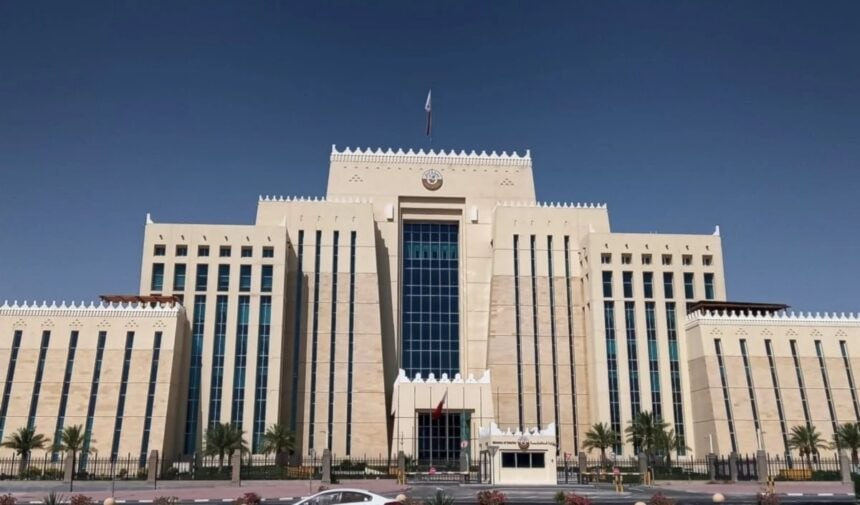
Qatar has carefully cultivated an international image based on extraordinary natural-gas wealth, global investment, diplomacy, international media influence, elite sports, and modernization.
Behind that image lies a considerably darker human rights record.
Reporting by the U.S. Department of State, Amnesty International, and Human Rights Watch has documented serious concerns involving migrant workers, freedom of expression, political participation, women’s rights, LGBT rights, freedom of association, and independent labor activity.
The international image of a wealthy, modernizing Gulf state therefore exists alongside a domestic system in which fundamental political and civil rights remain heavily restricted.
THE KAFALA SYSTEM AND THE EXPLOITATION OF MIGRANT WORKERS
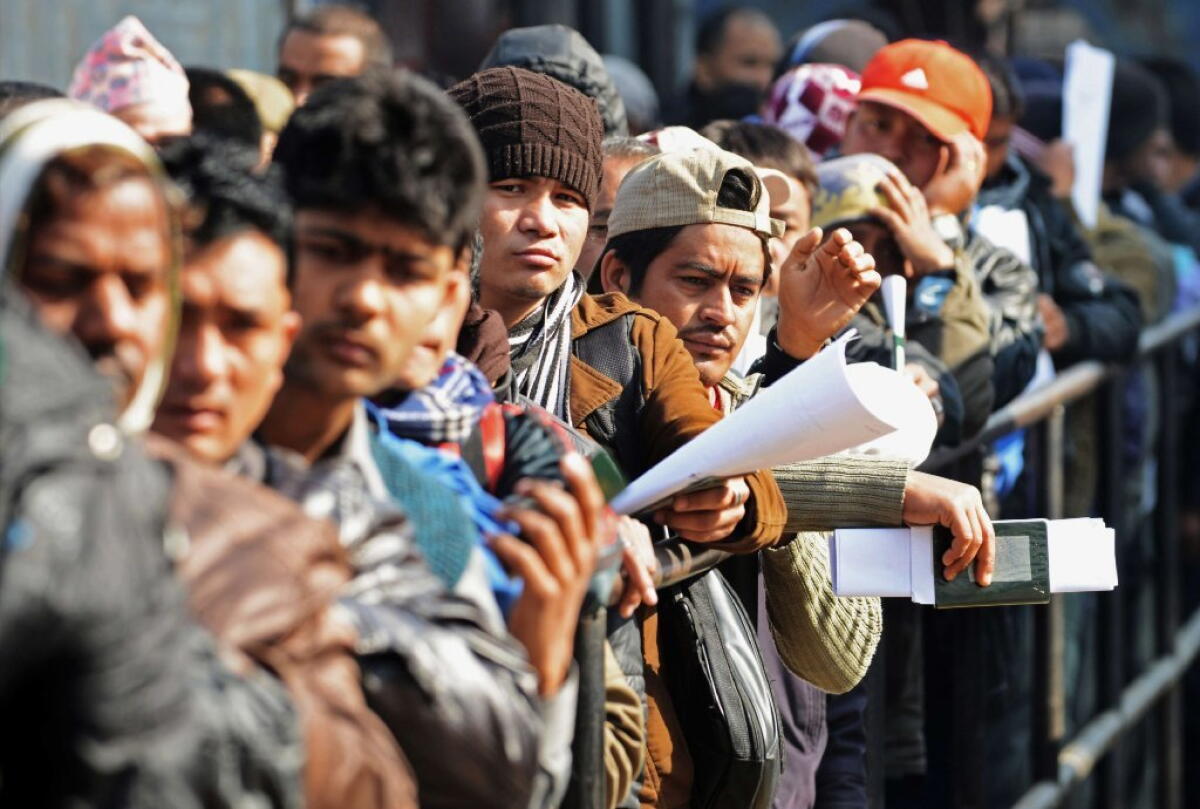
Qatar’s modern economic development has depended overwhelmingly on migrant labor.
For decades, the Kafala sponsorship system placed enormous power in the hands of employers and left migrant workers vulnerable to exploitation.
Qatar introduced reforms before the 2022 FIFA World Cup, including changes relating to exit permits, minimum wages, and the ability of workers to change employers.
However, human rights organizations have repeatedly reported a substantial gap between reforms on paper and enforcement in practice.
Workers have continued to report passport confiscation, wage theft, delayed or unpaid salaries, illegal recruitment fees, dangerous working conditions, employer retaliation, and practical barriers when attempting to change jobs.
Human Rights Watch has extensively documented these problems and questioned the effectiveness of structural reforms when enforcement mechanisms remain inadequate.
MORE THAN 6,500 MIGRANT WORKER DEATHS
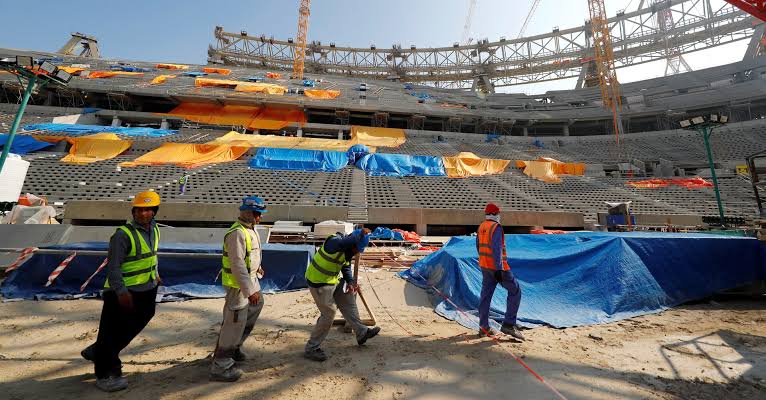
One of the most controversial findings associated with Qatar’s World Cup era came from an investigation by The Guardian.
The newspaper reported that more than 6,500 migrant workers from India, Pakistan, Nepal, Bangladesh, and Sri Lanka died in Qatar in the period following Qatar’s successful bid to host the 2022 World Cup.
The investigation drew on official records from the workers’ countries of origin and data supplied by the Pakistani embassy.
The Guardian — Revealed: 6,500 Migrant Workers Have Died in Qatar Since World Cup Awarded
The controversy surrounding these deaths became inseparable from wider questions concerning extreme heat, dangerous working conditions, inadequate investigations into unexplained deaths, compensation, and the treatment of the migrant workforce that constructed much of Qatar’s infrastructure.
Human rights organizations subsequently emphasized the failure to adequately investigate many worker deaths and determine whether occupational heat exposure or working conditions contributed to them.
The issue therefore extends far beyond one headline number.
It concerns accountability for the human cost of Qatar’s extraordinary infrastructure expansion.
FREEDOM OF EXPRESSION UNDER AN AUTHORITARIAN LEGAL STRUCTURE
Freedom of expression in Qatar operates under extensive legal restrictions.
Qatari penal and cybercrime legislation criminalizes certain forms of criticism directed at the Emir and provides broad authorities against material considered threatening to national security, public order, or social values.
Certain speech-related offenses can result in prison sentences reaching five years, depending on the applicable offense.
The legal framework creates substantial space for authorities to prosecute political dissent, online expression, and unauthorized political activity.
This structure became particularly visible in the case of Hazza and Rashed al-Marri.
THE HAZZA AND RASHED AL-MARRI CASE
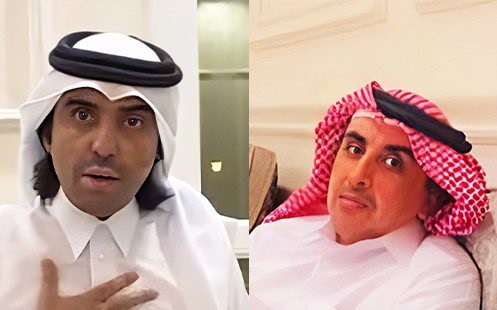
The case of Hazza and Rashed bin Ali Abu Shurayda al-Marri, two Qatari brothers and lawyers, became one of the most prominent examples cited by human rights organizations concerning freedom of expression and fair-trial rights in Qatar.
The dispute emerged during preparations for Qatar’s first Shura Council elections in 2021.
Electoral legislation restricted voting and candidacy rights according to citizenship and ancestry requirements, provoking protests among members of the Al Murrah tribe, some of whom argued that the law excluded them from full political participation.
On 10 August 2021, Hazza al-Marri published a video addressing the Emir of Qatar and protesting what he considered discriminatory electoral rules.
He was arrested that day.
His brother, Rashed al-Marri, was arrested the following day, 11 August 2021, after going to the Public Prosecution to inquire about Hazza’s case and expressing his willingness to represent his brother legally.
The arrests transformed a dispute over electoral eligibility into a major human rights controversy.
THE CHARGES AGAINST THE AL-MARRI BROTHERS
The brothers faced serious allegations under Qatari state-security and related laws.
The accusations reportedly included:
- Using threats or unlawful means in an attempt to compel the Emir to undertake an act falling within his legal authority.
- Spreading false or malicious information inside and outside Qatar allegedly intended to harm national interests.
- Using information technology and social media, including Twitter, to disseminate allegedly false information considered threatening to public security and national order.
- Inciting public opinion and disturbing public or social order.
- Organizing public gatherings without legal authorization.
The prosecution reportedly sought extremely severe punishment.
On 10 May 2022, Qatar’s Second Criminal Court sentenced both Hazza and Rashed al-Marri to life imprisonment.
Amnesty International condemned the proceedings and raised serious concerns regarding fair-trial guarantees.
Amnesty International — Qatar: Life Sentences for Al-Marri Brothers
The proceedings reportedly occurred behind closed doors, and human rights organizations raised concerns regarding access to legal representation and other due-process protections.
The convictions were subsequently upheld on appeal.
Reports concerning their detention also raised allegations of prolonged solitary confinement and detention conditions potentially amounting to cruel, inhuman, or degrading treatment.
The severity of the sentences demonstrated the extraordinary consequences political dissent can carry within Qatar’s controlled political environment.
MALE GUARDIANSHIP AND SYSTEMATIC DISCRIMINATION AGAINST WOMEN
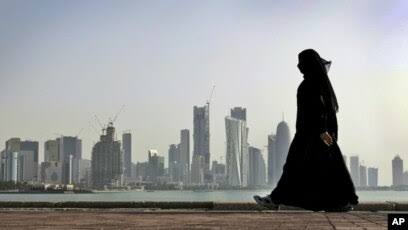
Qatar’s international presentation as a modern global state contrasts sharply with restrictions imposed on women under its male guardianship system.
Human Rights Watch conducted an extensive investigation into these rules.
Its report documented how women may require or encounter requirements for male guardian approval in matters involving marriage, certain forms of travel, some educational decisions, particular government employment, and aspects of reproductive healthcare.
These rules reinforce legal and social inequalities between men and women and provide male relatives with substantial authority over fundamental aspects of women’s lives.
At the same time, consensual same-sex relations remain criminalized under Qatari law.
RESTRICTIONS ON INDEPENDENT ORGANIZATION
Independent political, labor, and civil-society organization is also heavily restricted.
Trade-union rights are limited, particularly for migrant workers, while independent political organization and public demonstrations remain subject to extensive state controls.
These restrictions further reinforce the imbalance of power between workers, employers, individuals, and the state.
The result is a political structure in which organized domestic opposition has little institutional space in which to operate.
SOUTH PARS/NORTH FIELD: THE ENERGY FOUNDATION OF QATAR-IRAN RELATIONS
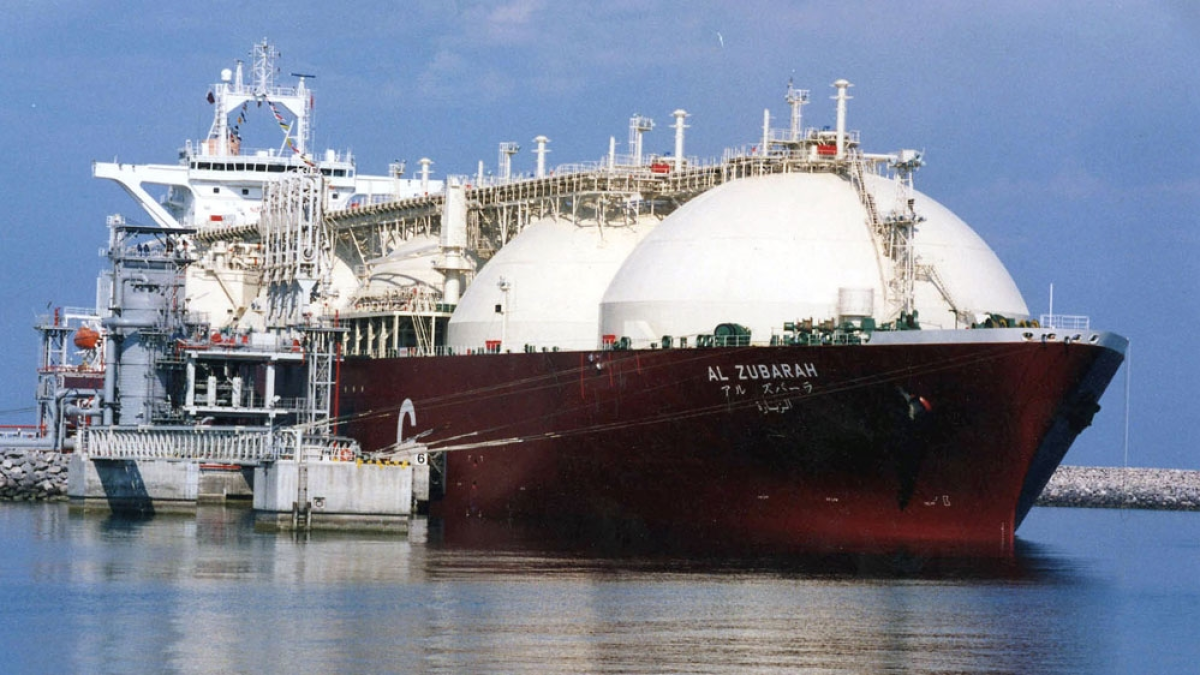
The relationship between Qatar and the Islamic Republic cannot be understood without examining geography and energy.
Qatar and Iran share the world’s largest known natural-gas reservoir.
Iran calls its portion South Pars.
Qatar calls its portion North Field.
The field represents the foundation of Qatar’s enormous liquefied-natural-gas industry and consequently the economic foundation of the Qatari state.
This shared geological resource creates a permanent strategic relationship between Doha and Tehran.
Qatar cannot design its Iran policy without considering the security of the gas field that underpins its national wealth.
A major war, prolonged instability, destruction of energy infrastructure, or uncontrolled political collapse in Iran could directly threaten Qatar’s economy.
This gives Doha a powerful structural incentive to maintain stable relations with Tehran.
THE 2017 GULF CRISIS: IRAN BECOMES QATAR’S STRATEGIC ESCAPE ROUTE
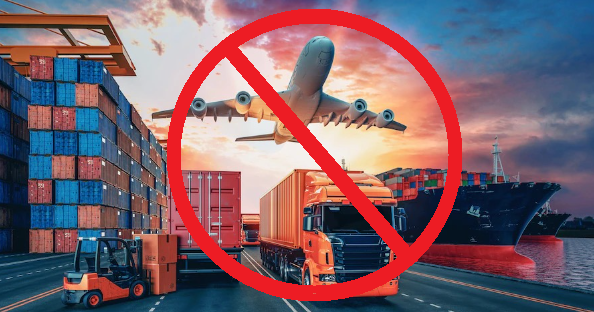
The Gulf crisis of 2017 dramatically demonstrated the strategic importance of Iran to Qatar.
Saudi Arabia, the United Arab Emirates, Bahrain, and Egypt severed relations with Qatar and imposed extensive restrictions.
Qatar suddenly lost access to important neighboring airspace and transportation routes.
Iran responded by opening its airspace and maritime routes and facilitating alternative supply channels.
Iranian airspace became particularly important to Qatar Airways.
The arrangement also generated substantial overflight revenue for Tehran.
Reports during the crisis estimated that Qatar was paying Iran approximately $100 million annually in overflight fees.
At a time when the Islamic Republic faced severe American sanctions and restrictions on access to foreign currency, this represented a valuable financial stream.
The episode revealed the reciprocal nature of the relationship.
Iran provided Qatar with strategic access during its regional isolation.
Qatar, in turn, generated significant revenue for Iran through its use of Iranian airspace.
DOHA AS TEHRAN’S FINANCIAL AND DIPLOMATIC BREATHING CHANNEL
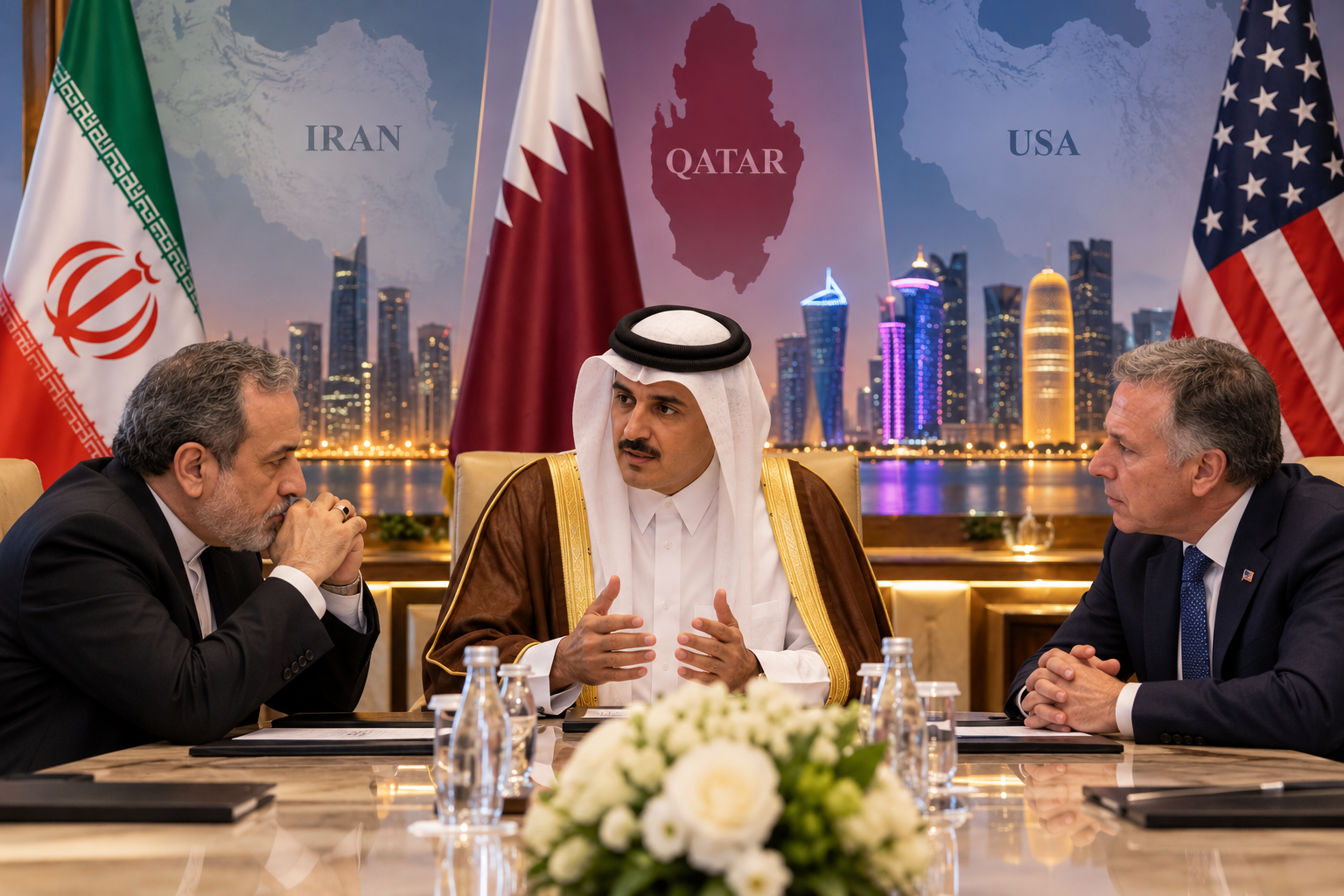
Qatar has repeatedly served as a major intermediary between Tehran and Washington.
Its role has included:
- prisoner exchanges;
- indirect U.S.-Iran communications;
- negotiations over frozen Iranian assets;
- nuclear-related diplomacy;
- regional de-escalation;
- and confidential diplomatic messaging.
One of the most significant examples involved approximately $6 billion in Iranian funds connected to the 2023 U.S.-Iran prisoner arrangement, with Qatar playing an important intermediary and custodial role.
The arrangement demonstrated Doha’s extraordinary ability to position itself at the center of negotiations between two governments that lack normal diplomatic relations.
Qatar describes this role as mediation.
But from a critical geopolitical perspective, its practical consequences are broader.
Whenever Tehran approaches complete diplomatic isolation, Doha can provide another channel.
Whenever direct negotiations with Washington become politically impossible, Qatar can carry messages.
Whenever frozen Iranian assets become part of negotiations, Doha can become part of the financial architecture implementing the arrangement.
The result is that Qatar repeatedly functions as a diplomatic breathing channel for Tehran.
QATAR AND THE EROSION OF MAXIMUM PRESSURE
The United States and its allies have repeatedly attempted to pressure the Islamic Republic through sanctions, restrictions on oil exports, financial isolation, diplomatic pressure, and measures targeting Iran’s regional networks.
For such pressure to reach maximum effectiveness, diplomatic and financial escape routes must also narrow.
Qatar repeatedly prevents complete closure of those routes.
Its mediation may reduce the danger of war, but it can simultaneously reduce the political consequences of Tehran’s isolation.
This creates a fundamental contradiction.
What Doha describes as de-escalation can, from the perspective of opponents of the Islamic Republic, function as a mechanism that gives Tehran additional time, resources, and diplomatic maneuverability.
QATAR AS A GEOPOLITICAL BARRIER TO THE DISSOLUTION OF THE ISLAMIC REPUBLIC
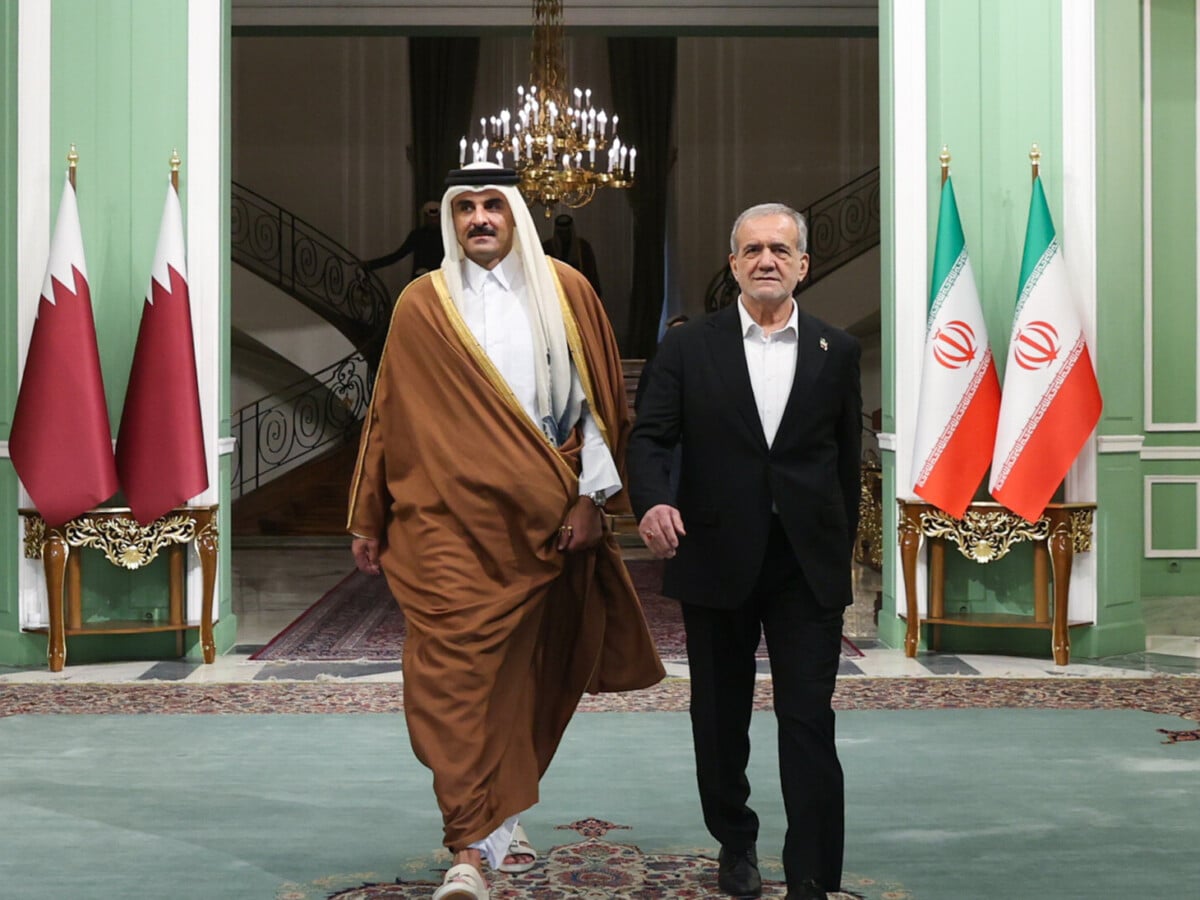
Qatar’s strategic interests are tied to regional stability.
The sudden dissolution of the political order in Tehran could create enormous uncertainty for Doha.
A civil war, uncontrolled military confrontation, disruption of Gulf shipping, attacks against energy infrastructure, or prolonged instability inside Iran could directly threaten Qatar’s national security and gas economy.
Consequently, Doha has strong incentives to favor controlled stability over revolutionary uncertainty.
This does not require ideological loyalty to the Islamic Republic.
It requires only strategic self-interest.
But the practical result can still conflict directly with the objectives of Iranian revolutionary movements.
When domestic uprisings, international sanctions, diplomatic isolation, and external pressure converge against Tehran, Qatari mediation can provide the Islamic Republic with diplomatic space and additional time.
For Iranian revolutionaries seeking the dissolution of the Islamic Republic, Qatar can therefore function as a geopolitical barrier to maximum pressure against Tehran.
AL JAZEERA AND THE IRANIAN PROTEST MOVEMENTS
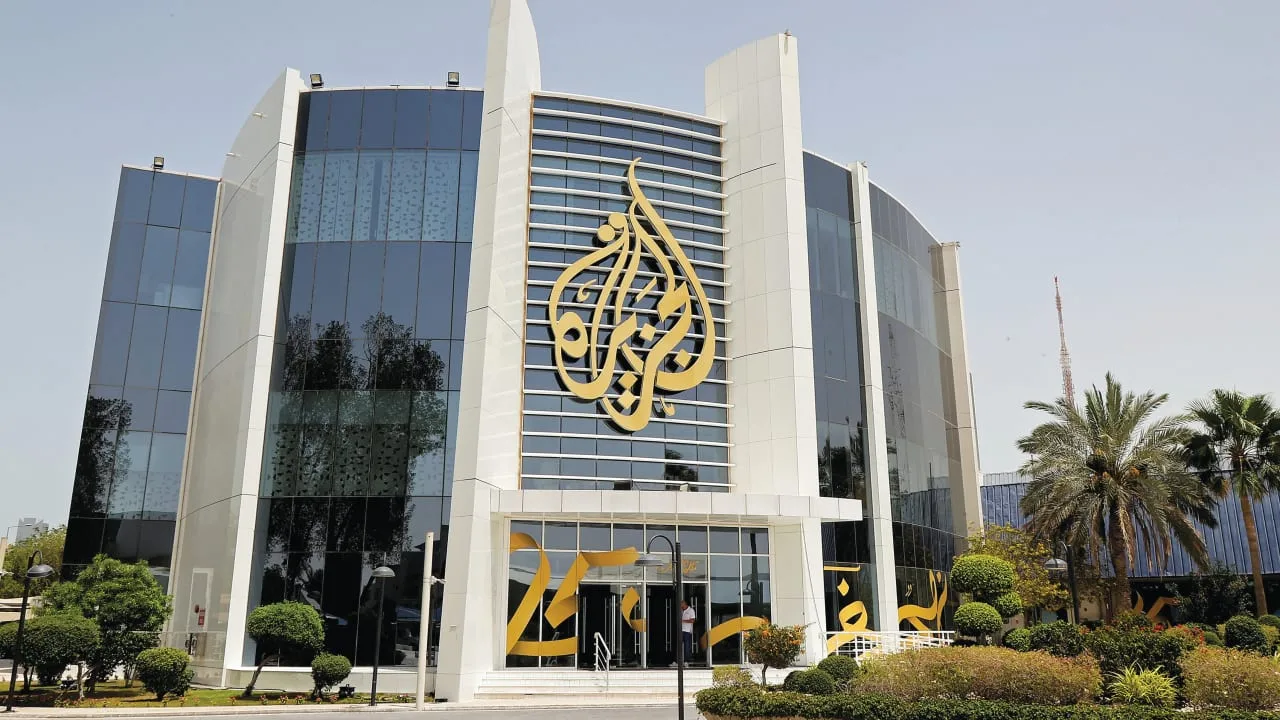
Qatar’s influence extends beyond conventional diplomacy.
It owns one of the most powerful media institutions in the Middle East: Al Jazeera.
Critics have repeatedly questioned Al Jazeera’s treatment of Iranian protest movements and compared it with the network’s aggressive coverage of political upheaval elsewhere in the Arab world.
Critical analyses have accused the network of approaching protests inside Iran more cautiously in order to avoid damaging Qatar’s strategically important relationship with Tehran.
From this perspective, reducing revolutionary demands to narrower economic or civil grievances can weaken international understanding of the political objectives of protesters seeking fundamental regime change.
Critics therefore argue that Doha’s media strategy can reinforce the regional status quo.
The issue is particularly significant because media framing influences international perceptions of whether an uprising represents economic dissatisfaction, a civil-rights movement, or a revolutionary challenge to the political system itself.
QATAR, HAMAS, HEZBOLLAH, AND IRAN’S REGIONAL NETWORK

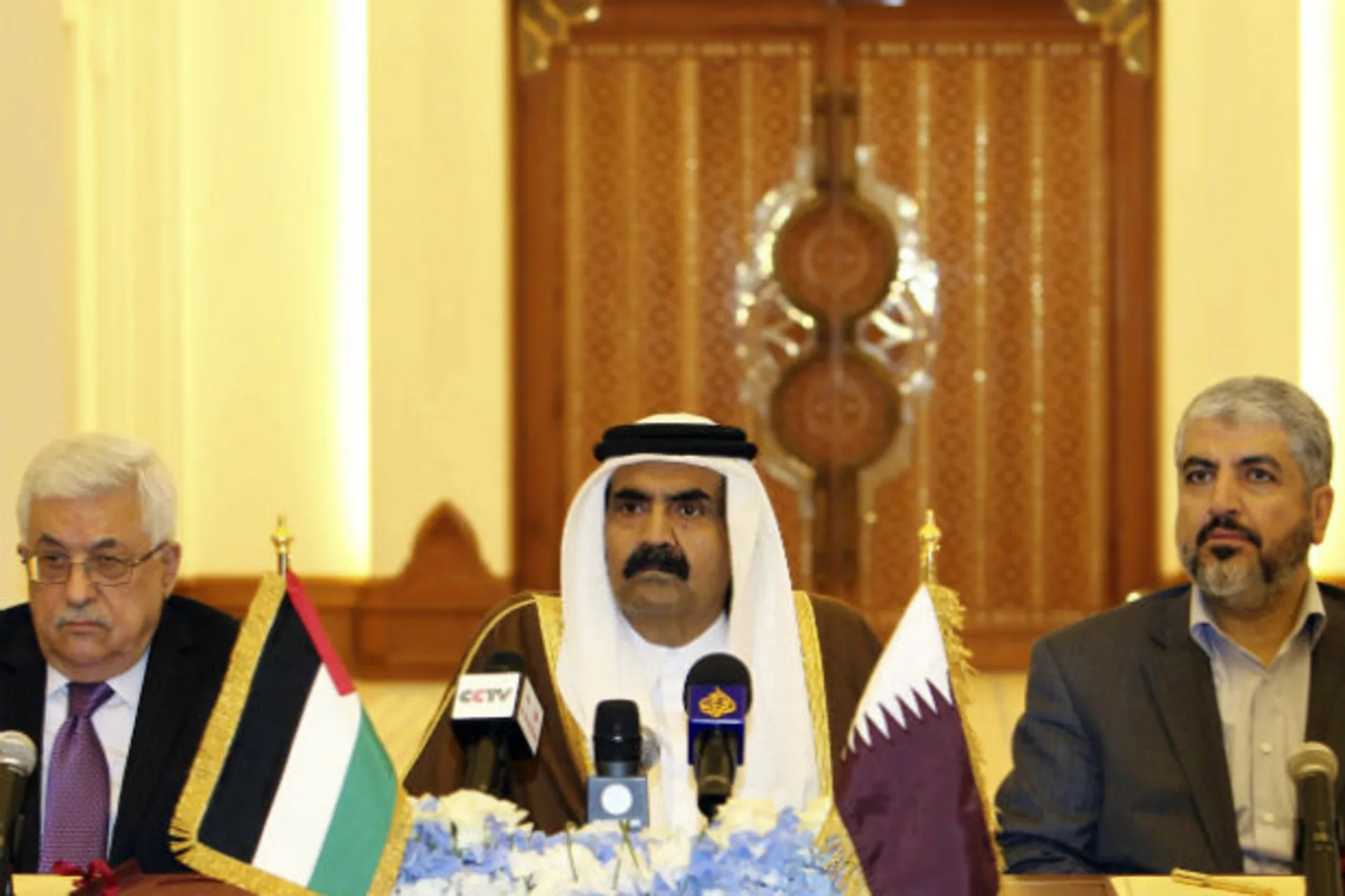
Qatar has also maintained relationships with organizations operating within the broader strategic environment of Iran’s regional influence.
For years, Doha hosted the political office and senior leadership figures of Hamas.
Qatar describes this relationship as necessary for mediation.
Nevertheless, Hamas has historically maintained important political, financial, and military relationships with Tehran.
Qatar has also played a major diplomatic role in Lebanon.
The 2008 Doha Agreement helped resolve a major Lebanese political crisis in an environment in which Hezbollah possessed enormous political and military influence.
Critics argue that Qatar’s diplomacy has repeatedly provided political space and legitimacy to actors operating within, or alongside, Iran’s regional network.
From Doha’s perspective, this is mediation.
From the perspective of its critics, it can amount to the stabilization of political actors that form part of Tehran’s regional strategic depth.
YEMEN: THE MOST SENSITIVE TEST OF QATAR’S REGIONAL POLICY
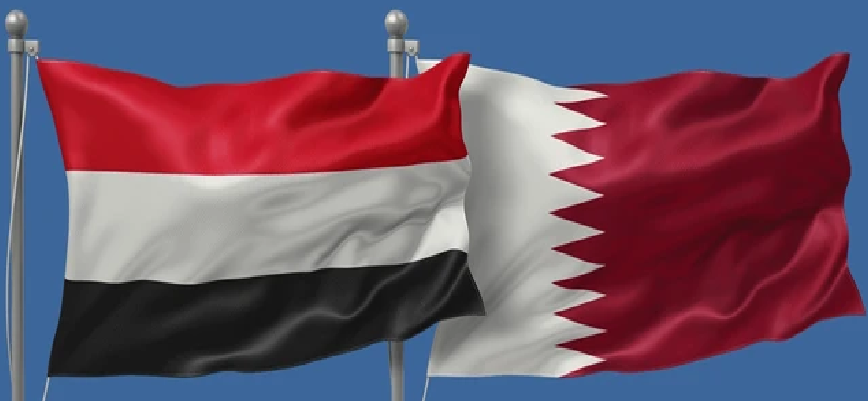
The case of Yemen represents one of the most controversial dimensions of Qatar’s regional strategy.
The Houthis, or Ansar Allah, have become one of the most important armed organizations supported by the Islamic Republic.
Iranian assistance to the Houthis has included political support and, according to extensive international reporting and government assessments, military and technological assistance.
The Houthis have launched missiles and drones against Saudi Arabia and other targets and have attacked international shipping routes in and around the Red Sea.
Their rise therefore directly affects Saudi national security, international maritime commerce, and American strategic interests.
Against this background, Qatar’s historical relationship with the Houthis deserves particular scrutiny.
QATAR’S EARLY MEDIATION WITH THE HOUTHIS
Qatar’s contacts with the Houthis did not begin during the current phase of the Yemen conflict.
Doha mediated between the government of former Yemeni President Ali Abdullah Saleh and the Houthis during conflicts in 2007 and 2008.
Qatar has portrayed these efforts as part of its long-standing diplomacy of mediation.
But the subsequent development of the Houthis into a powerful armed organization supported by Tehran gives Qatar’s historical channels additional geopolitical significance.
The issue is not simply whether Qatar spoke with the Houthis.
The issue is how those relationships fit into Doha’s broader pattern of maintaining access to actors that other regional governments regard as security threats.
QATAR’S EXPULSION FROM THE SAUDI-LED COALITION IN YEMEN
Qatar initially participated in the Saudi-led military coalition in Yemen.
That participation ended during the Gulf crisis on 5 June 2017.
The coalition announced the termination of Qatar’s participation.
Importantly, the announcement did not merely cite political disagreements.
The Saudi-led coalition publicly accused Qatar of practices that, in its words, strengthened terrorism, including alleged support for organizations such as Al-Qaeda and ISIS, and of dealing with what it described as the coup militias in Yemen.
The official announcement was carried by the Saudi Press Agency.
These were allegations made by the coalition and must be understood as such, but their significance cannot simply be dismissed.
Qatar’s removal from the coalition represented a major rupture in the Gulf states’ approach to Yemen.
THE POST-2017 MEDIA AND POLITICAL SHIFT
After the Gulf crisis, Qatar’s political and media posture toward the Yemen conflict changed substantially.
Al Jazeera and other Qatari-backed media increasingly emphasized civilian casualties, humanitarian consequences, military failures, and criticism of the Saudi-led coalition.
Saudi and Emirati officials and commentators accused Doha of using its media power to weaken the coalition and indirectly benefit the Houthis.
From their perspective, Qatar was no longer simply criticizing the humanitarian consequences of the war.
It was contributing to the erosion of the political legitimacy of the coalition confronting a movement supported by Tehran.
This became one of the central accusations in the broader political confrontation between Doha, Riyadh, and Abu Dhabi.
GROWING SUSPICIONS OF INDIRECT QATARI SUPPORT FOR THE HOUTHIS
The combination of Qatar’s close and complex relationship with the Islamic Republic, its historical contacts with the Houthis, its expulsion from the Saudi-led coalition, the accusations made against it in 2017, its subsequent political posture, and its media approach significantly strengthens suspicions and speculation regarding forms of indirect Qatari support for the Houthis.
These suspicions become even more significant when viewed within the wider regional context.
The Houthis are no longer merely an internal Yemeni political movement.
They have become an armed regional actor supported by Tehran, capable of threatening Saudi territory, maritime commerce, and broader regional security.
Political, diplomatic, financial, media, or other forms of indirect assistance that increase the Houthis’ strategic room for maneuver can therefore have consequences far beyond Yemen.
The accumulated pattern of Qatar’s relationships and policies increases suspicion that Doha’s regional strategy may directly or indirectly create political space that benefits the Houthis and, by extension, the regional network of the Islamic Republic.
This issue requires serious scrutiny rather than automatic acceptance of Doha’s description of every such relationship as neutral mediation.
SUPPORT FOR TEHRAN AND THE REGIONAL TERRORISM QUESTION
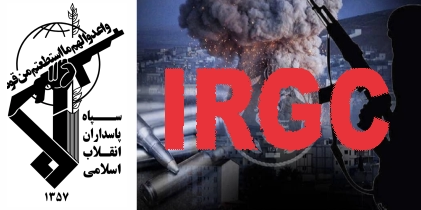
The broader criticism becomes even more serious when the Islamic Republic’s regional strategy is considered.
For decades, Tehran has developed relationships with armed non-state actors throughout the Middle East.
The Houthis constitute one component of this broader architecture.
Consequently, policies that strengthen the Islamic Republic economically, politically, or diplomatically can have consequences beyond Iran itself.
From this perspective, support that strengthens Tehran can indirectly strengthen the regional structures and armed organizations dependent upon Iranian support.
This is why Qatar’s policy toward Tehran cannot be examined as a purely bilateral relationship.
Its effects extend across the regional security system.
INDIRECT BETRAYAL OF SAUDI AND AMERICAN SECURITY INTERESTS
From this critical geopolitical perspective, Qatar’s policies can be interpreted as an indirect betrayal of Saudi security interests and, in certain circumstances, American strategic interests.
Saudi Arabia has repeatedly been targeted by Houthi missiles and drones.
American military resources have been deployed to protect regional security and freedom of navigation.
At the same time, the Islamic Republic remains the Houthis’ principal external strategic supporter.
If Doha reduces pressure on Tehran while political or media policies indirectly expand the operating space available to Tehran-aligned actors, the contradiction becomes impossible to ignore.
Qatar is protected by a security architecture heavily dependent on the United States while simultaneously maintaining policies that its critics argue can reduce pressure on the regional network challenging American and Saudi interests.
THE AL-ULA DECLARATION OF 2021
The Al-Ula Declaration, signed on 5 January 2021 during the 41st Gulf Cooperation Council summit in Al-Ula, Saudi Arabia, ended the approximately three-and-a-half-year Gulf diplomatic crisis.
The agreement involved Qatar, Saudi Arabia, the United Arab Emirates, Bahrain, Egypt, and the broader GCC framework.
The agreement is registered in the United Nations Treaty Series, Volume 3424, under registration number 56786.
The reconciliation restored diplomatic relations and reopened borders and airspace.
But the agreement is equally important for what happened to the original demands placed on Qatar.
THE ORIGINAL 13 DEMANDS AND THE AL-ULA COMPROMISE
During the 2017 crisis, Qatar faced a list of 13 demands from Saudi Arabia, the UAE, Bahrain, and Egypt.
Among them were demands relating to:
- Al Jazeera;
- Qatar’s relations with Iran;
- Turkey’s military presence in Qatar;
- alleged support for extremist organizations;
- and Doha’s regional political activities.
Qatar rejected the demands as violations of its sovereignty.
By the time of the Al-Ula reconciliation, the original 13 demands were not incorporated as direct conditions in the final public framework in the form initially demanded.
This represented a significant political outcome for Doha.
Qatar restored relations with its Gulf neighbors without abandoning the central pillars of its independent foreign policy.
THE STRATEGIC PRINCIPLES OF AL-ULA
The reconciliation emphasized several important principles.
Sovereignty and Security
GCC members committed themselves to strengthening unity and avoiding actions that threatened the sovereignty, security, or social stability of other member states.
Regional Threats
The declaration emphasized collective cooperation in confronting threats to Gulf security and regional stability.
This had obvious relevance to concerns regarding Iran and regional armed networks.
Media De-escalation
The reconciliation process included an effort to end the intense media confrontation that had characterized the Gulf crisis.
Al Jazeera subsequently moderated aspects of its extremely confrontational coverage of Saudi Arabia.
Economic and Military Integration
The GCC states also reaffirmed objectives involving customs integration, the common Gulf market, defense cooperation, and collective responses to external threats.
THE CENTRAL CONTRADICTION AFTER AL-ULA
The Al-Ula agreement restored Qatar’s relationship with Saudi Arabia without fundamentally dismantling Doha’s broader strategic architecture.
Qatar retained:
its relationship with Tehran;
its strategic relationship with Turkey;
its global media influence;
its relationship with Washington;
and its independent mediation strategy.
This demonstrates one of the most important characteristics of Qatari diplomacy.
Doha can reconcile with competing powers without fully surrendering the relationships that caused those powers to distrust it in the first place.
AL UDEID AIR BASE AND THE AMERICAN SECURITY UMBRELLA
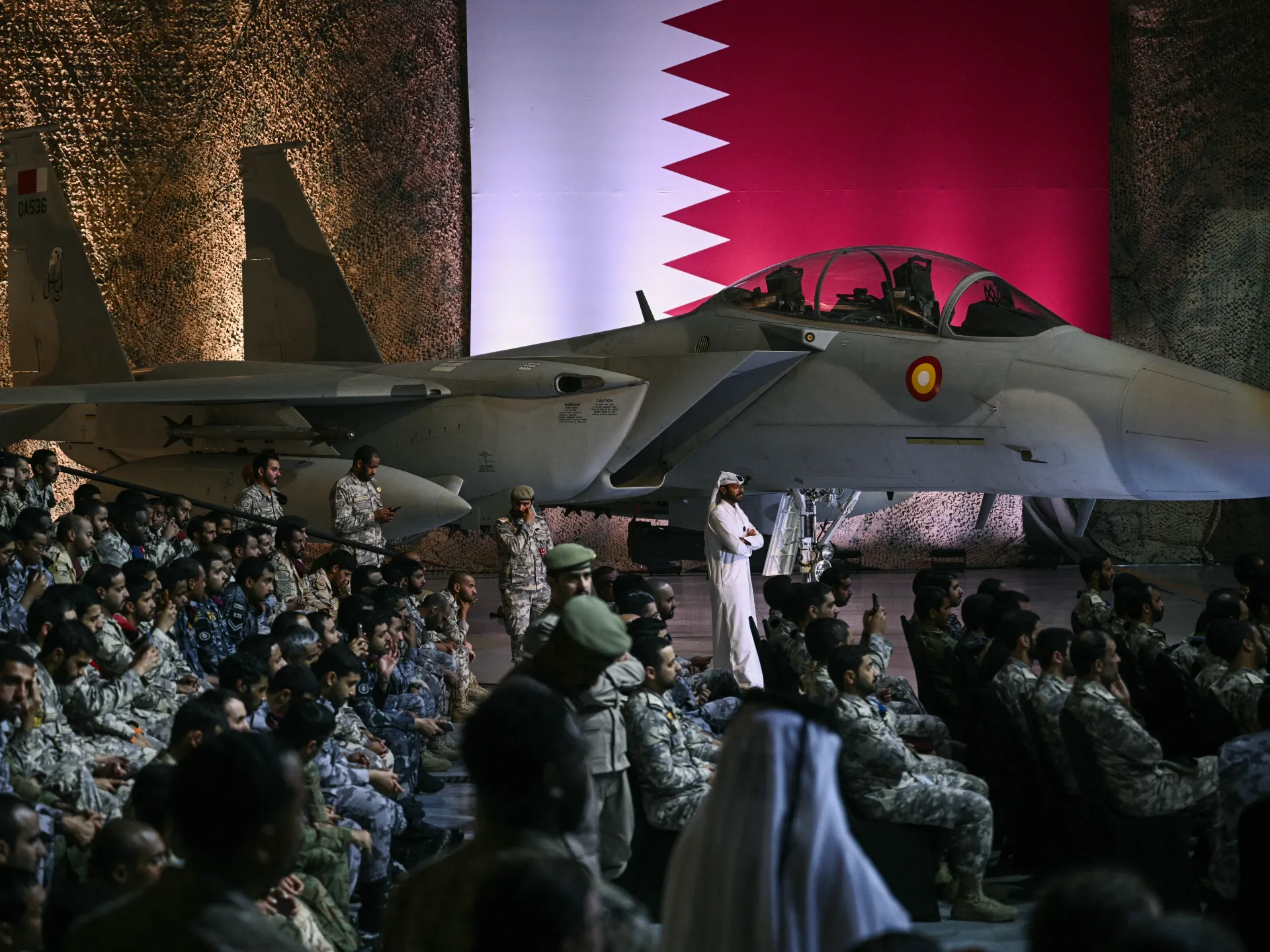
The most striking contradiction in Qatar’s geopolitical strategy is visible at Al Udeid Air Base.
Qatar hosts one of the most important American military installations in the Middle East.
The base has played a major role in U.S. Central Command operations and regional air operations.
Qatar is also formally designated a Major Non-NATO Ally of the United States.
Its defense relationship with Washington is therefore not symbolic.
It is deeply institutionalized.
Yet the same Qatari government simultaneously maintains extensive political and economic relations with Tehran and repeatedly serves as one of the Islamic Republic’s most valuable diplomatic intermediaries.
This allows Doha to derive security from Washington while maintaining strategic access to Tehran.
THE GEOPOLITICAL CONTRADICTION WITH WASHINGTON
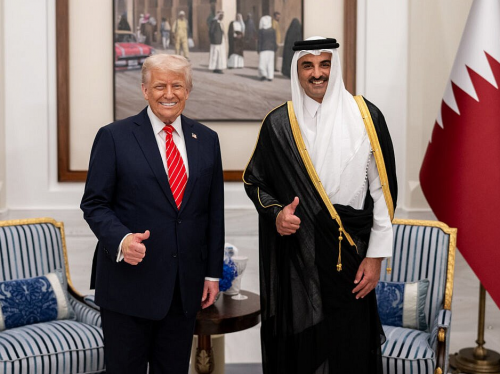
This produces an extraordinary geopolitical contradiction.
The United States provides Qatar with security cooperation, military protection, strategic partnership, and access to advanced defense capabilities.
At the same time, Qatar maintains relations with political and armed actors that exist within a regional environment heavily influenced by the Islamic Republic.
Doha’s defenders call this pragmatic diplomacy.
Its critics call it a dangerous double game.
Whatever terminology is used, the contradiction is real:
Qatar benefits from the American security architecture while simultaneously preserving diplomatic relationships that can reduce the isolation of Washington’s principal regional adversary.
QATAR’S MULTI-DIRECTIONAL SURVIVAL STRATEGY

Qatar’s foreign policy is built around maintaining relationships with competing centers of power.
It maintains relations with Washington.
It maintains relations with Tehran.
It maintains a strategic partnership with Turkey.
It restored relations with Riyadh.
It has hosted Hamas.
It has historically communicated with the Houthis.
It maintains one of the Arab world’s most influential media networks.
And it repeatedly presents itself as the indispensable intermediary whenever regional crises erupt.
This is not accidental.
It is a calculated strategy of national survival and political influence.
The more indispensable Qatar becomes to competing powers, the more difficult it becomes for any one of those powers to isolate it.
DOHA AS A GEOPOLITICAL SHOCK ABSORBER FOR THE ISLAMIC REPUBLIC
The cumulative consequence of this strategy is that Qatar has become one of the most important geopolitical shock absorbers between the Islamic Republic and the outside world.
When pressure on Tehran increases, Doha can mediate.
When negotiations collapse, Doha can transmit messages.
When frozen assets become part of diplomatic negotiations, Doha can participate.
When Washington and Tehran cannot communicate directly, Doha can provide the channel.
When regional confrontation approaches dangerous levels, Qatar can again position itself as mediator.
Each individual intervention can be described as diplomacy.
Taken together, however, they create a structure that repeatedly reduces the consequences of Tehran’s international isolation.
THE COST TO IRANIAN REVOLUTIONARY MOVEMENTS
For Iranian protesters and revolutionary movements seeking fundamental political change, this structure has serious consequences.
Maximum pressure depends not only on economic sanctions but also on diplomatic isolation.
If Tehran can repeatedly regain access to negotiations, obtain diplomatic breathing space, secure limited access to financial resources, or reduce international confrontation through intermediaries, complete isolation becomes considerably more difficult.
Qatar’s preference for stability therefore conflicts with the objectives of movements seeking the dissolution of the Islamic Republic.
Doha may call its policy de-escalation.
Iranian revolutionaries may regard the same policy as preservation of the status quo.
THE COST TO SAUDI ARABIA AND REGIONAL SECURITY
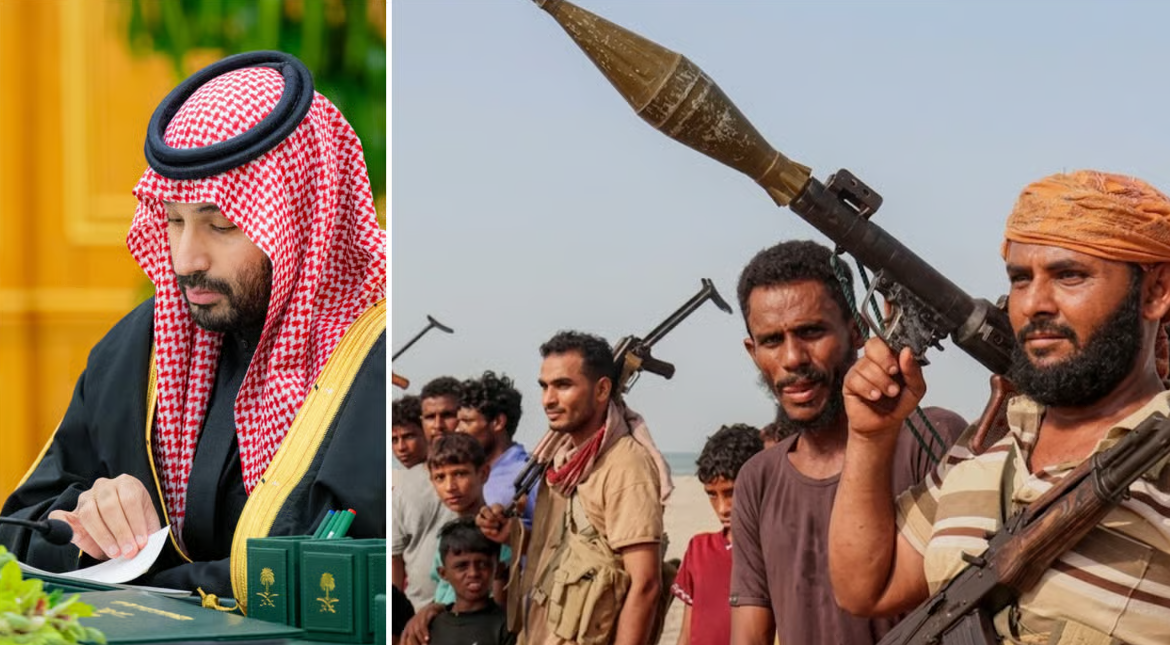
The contradiction is equally serious for Saudi Arabia.
The Houthis have repeatedly threatened Saudi territory.
Iran has supported the Houthi movement.
Yet Qatar maintains close relations with Tehran while historically maintaining channels with the Houthis and having been accused by the Saudi-led coalition of policies that benefited forces opposed to the coalition.
From Riyadh’s perspective, policies that reduce pressure on Tehran or provide additional political space to Iran-aligned actors can directly affect Saudi national security.
This is why suspicion surrounding Qatar’s regional role has survived even after formal reconciliation.
HUMAN RIGHTS AT HOME, MEDIATION ABROAD
The contradiction becomes even sharper when Qatar’s domestic and foreign policies are placed side by side.
Abroad, Doha presents itself as a defender of dialogue, negotiation, mediation, compromise, and peaceful conflict resolution.
At home, political dissent can result in extraordinary punishment.
Two lawyers protesting electoral restrictions received life sentences.
Women continue to confront male guardianship restrictions.
Migrant workers remain vulnerable to exploitation.
Independent political organization remains heavily constrained.
Freedom of expression operates within strict legal boundaries.
This creates an unavoidable question:
How can a government that presents itself internationally as a champion of dialogue respond to peaceful domestic dissent with some of the harshest criminal penalties available?
CONCLUSION
Qatar has constructed one of the most sophisticated, controversial, and contradictory foreign-policy strategies in the modern Middle East.
Internally, the country faces a documented record of serious human rights concerns involving migrant workers, political expression, women’s rights, political participation, independent organization, and judicial treatment of dissent.
The deaths of more than 6,500 migrant workers from five South Asian countries during the decade following Qatar’s selection as World Cup host became an international symbol of the human cost surrounding Qatar’s extraordinary development.
The Hazza and Rashed al-Marri case, culminating in life sentences following protests over electoral restrictions, exposes another side of the same political system: the extremely limited tolerance for organized domestic dissent.
Externally, however, Doha presents itself as an indispensable mediator.
It shares the world’s largest natural-gas field with Iran.
During the 2017 Gulf crisis, Iranian airspace became a strategic lifeline for Qatar, while Qatar’s overflight payments provided Tehran with valuable revenue reportedly estimated at approximately $100 million annually.
Qatar subsequently became a central intermediary in U.S.-Iran negotiations, prisoner exchanges, frozen-asset arrangements, and diplomatic communications, including the arrangement involving approximately $6 billion in Iranian funds.
It has hosted Hamas leaders.
It played a major role in the 2008 Doha political agreement in Lebanon.
It has historical channels with the Houthis.
It was expelled from the Saudi-led coalition in Yemen in 2017 amid serious accusations from the coalition.
Its media institutions subsequently became deeply critical of Saudi and Emirati conduct in Yemen.
The combination of these factors significantly increases suspicions and speculation regarding indirect Qatari support for the Houthis and the extent to which Doha’s policies provide political space to elements of Iran’s regional network.
At the same time, Qatar hosts Al Udeid Air Base, maintains a deep defense partnership with Washington, and holds the status of a Major Non-NATO Ally of the United States.
This is the fundamental contradiction at the heart of Qatar’s geopolitical model.
Doha benefits from American security while maintaining strategic relations with Tehran.
It reconciles with Saudi Arabia while preserving the foreign-policy architecture that previously generated Saudi distrust.
It communicates with armed regional actors while presenting those relationships as mediation.
It speaks the language of dialogue internationally while imposing severe restrictions on dissent domestically.
For Qatar, this architecture is a sophisticated strategy of survival.
For the Islamic Republic, however, it can function as a strategic lifeline.
For Saudi Arabia, it can create an enduring security contradiction.
For Washington, it raises difficult questions about the regional behavior of a strategically important security partner.
And for Iranian revolutionaries seeking the dissolution of the Islamic Republic, Qatar’s persistent preference for regional stability and diplomatic engagement with Tehran can function as a significant geopolitical obstacle to the complete isolation of the regime.
The central question is therefore no longer simply whether Qatar is formally allied with Iran.
The more consequential question is whether Qatar’s economic, diplomatic, political, financial, and media policies have repeatedly reduced the cost of international isolation for the Islamic Republic and created political space for Tehran and elements of its regional network to survive periods of maximum pressure.
In Yemen, the question becomes sharper still.
Qatar’s historical relationship with the Houthis, its relationship with Tehran, its removal from the Saudi-led coalition, the accusations made against it in 2017, and its subsequent regional and media posture increase the grounds for suspicion and speculation concerning indirect Qatari support for the Houthis.
From a critical geopolitical perspective, policies that strengthen Tehran or provide additional political room to Iran-aligned armed organizations can also be viewed as an indirect betrayal of the security interests of Saudi Arabia and, in certain circumstances, the United States.
Qatar’s defenders describe this system as mediation.
Its critics describe it as a double game.
What is undeniable is that Doha has positioned itself at the intersection of opposing powers and has learned to derive extraordinary political influence from that position.
It stands beside Washington while communicating with Tehran.
It reconciles with Riyadh while preserving relations that Riyadh has historically viewed with suspicion.
It maintains access to regional armed actors while claiming the role of neutral mediator.
And whenever pressure against Tehran reaches a critical level, Doha repeatedly appears as one of the channels capable of reopening diplomatic space.
That is why Qatar’s role cannot be evaluated solely through the language of mediation.
It must also be examined through the consequences of that mediation: who gains political space, who receives economic breathing room, whose isolation is reduced, and which regional power structures ultimately survive because the pressure against them is never allowed to become absolute.
SOURCES AND REFERENCE MATERIAL
The Guardian — Revealed: 6,500 Migrant Workers Have Died in Qatar Since World Cup Awarded
Human Rights Watch — World Report: Qatar
Human Rights Watch — Women and Qatar’s Male Guardianship Rules
Amnesty International — Al-Marri Brothers Case
U.S. Department of State — 2024 Country Reports on Human Rights Practices: Qatar
U.S. Department of State — 2023 Country Reports on Human Rights Practices: Qatar
U.S. Department of State — 2022 Country Reports on Human Rights Practices: Qatar
Human Rights Foundation — Qatar’s Human Rights Record in the World’s Spotlight
Genocide Watch — Qatar Country Report
Arab Gulf States Institute in Washington — Qatar/Iran Analysis
United Against Nuclear Iran — Qatar, Iran and the United States
Saudi Press Agency — Coalition Announcement Concerning Qatar’s Participation in Yemen
United Nations Treaty Collection — Al-Ula Declaration, Registration No. 56786, UNTS Vol. 3424
Qatar Ministry of Foreign Affairs — Mediation and Foreign Policy
U.S. Central Command — Official Materials Concerning Al Udeid and Regional Operations
The Washington Institute for Near East Policy
BBC News — Middle East / Iran / Qatar Coverage